
Editor’s note: This interview was recorded in Warsaw on 30 September 2026 and has been edited for clarity, grammar and structure. Repetition and verbal filler have been removed, but the substance of the exchange has been retained. Krawczyk’s descriptions of the investigation, the evidence and the legality of Biowell’s business are his account and shouldn’t be read as findings by a court. The investigation is continuing and no trial date has been set.
Krawczyk couldn’t remember whether the raid occurred on 4 or 6 April; the operation described by Polish authorities took place on 7 April 2026. He repeatedly described his detention as lasting six months and said he’d been released approximately a month and a half before this interview. Those descriptions don’t align precisely with the officially reported date of the raid and the date of the interview.
Krawczyk said he would provide documents relating to the allegations, his detention and the Polish Anti-Doping Agency opinion discussed below. Despite a follow-up request, he hadn’t provided those documents or responded by the time of publication. None of those documents has therefore been independently reviewed for this article.
How Biowell began
How did you first get into peptides?
Six or seven years ago, very little was happening with peptides in Europe. I was working as a personal trainer and online transformation coach. Peptides were barely known in Poland, and almost nobody around me was talking about them.
I had an online client in the United States who introduced me to the idea. He told me there were research-use chemicals that people were obviously using and asked why we didn’t have this market in Poland or elsewhere in Europe. I had heard a little about peptides, but nobody else I knew was really discussing them.
I found one Polish company offering them, but it was very amateur. It sold only a few compounds and there was nothing behind them in terms of laboratory testing or certificates of analysis. I began wondering why the American research-chemical model couldn’t be brought to Poland and Europe if the demand already existed.
What did you do next?
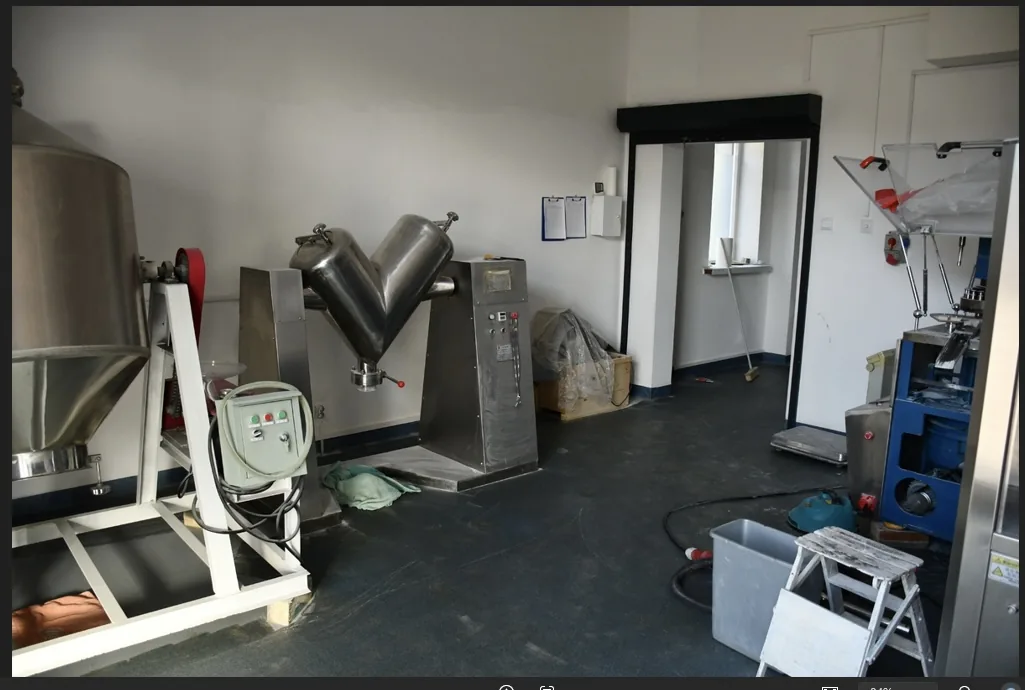
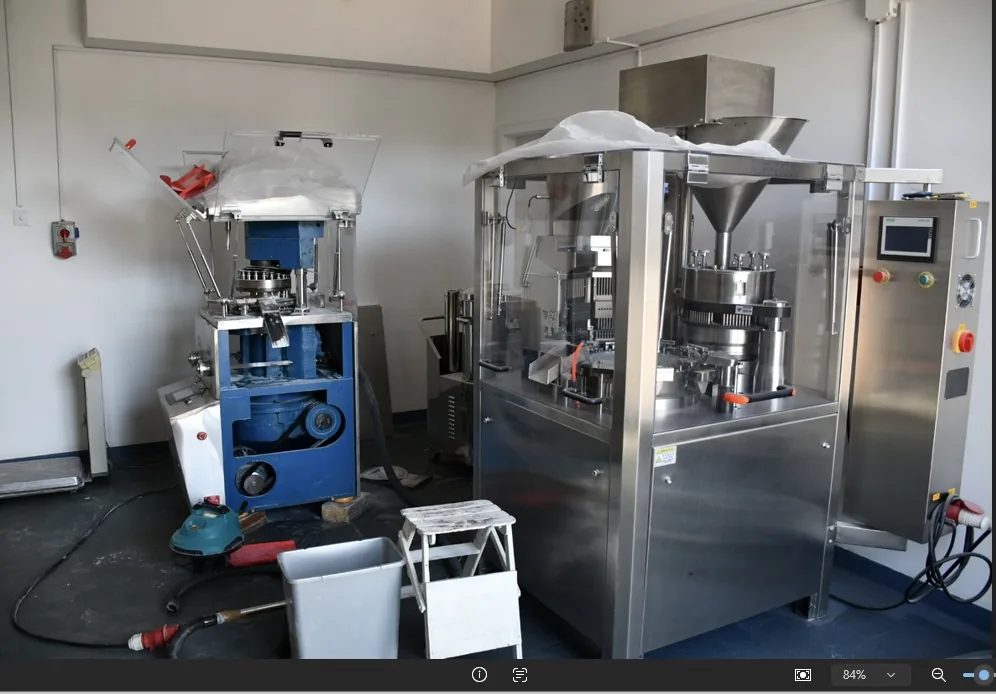
We found someone with the technical knowledge to produce and lyophilise the products. The facility was in a city near Warsaw. We weren’t simply importing finished vials from China and reselling them. We imported the raw peptide material, but the lyophilisation and the rest of the production process were carried out in Poland. That began six or seven years ago. I believe we were among the first companies manufacturing research peptides ourselves in Europe.
Who was the person making them?
He worked in a pharmaceutical or medical field and had the knowledge needed for lyophilisation and production. He had a regular job as well. I’m not going to name him because he’s also accused in the current case.
The original idea was mine, but he financed the equipment. I didn’t have enough money to fund the operation at the beginning. He said he could buy the machinery and produce for himself and other customers if I helped guide what the market wanted.
Where did the equipment and knowledge come from?
The machinery came from China. We were constantly speaking with the raw-material suppliers because they were also producing finished vials and understood the processes. The arrangement was effectively that if we bought the raw material from them, they would help explain how to lyophilise it, including more demanding compounds such as AOD. Eventually, one of the people from the Chinese supplier travelled to Poland because we were buying so much raw material. He helped set up the machinery.
Were all the raw materials Chinese?
Yes. There is no point pretending otherwise: almost everybody obtains peptide raw material from Chinese companies.
I investigated European suppliers, including Sigma-Aldrich in Germany, but the price of the raw material was far too high for commercial research-chemical production. The raw peptide powder came from China, while the lyophilisation and production were done in Poland.
Building the Polish production operation
What was the first peptide you produced?
BPC-157.
That is not necessarily an easy product to make. How did you get it right?
My business partner had the technical knowledge. We tried several times until the process worked. We compared what we produced with finished vials from the Chinese market, and then we obtained certificates of analysis.
I can’t remember which laboratory we used at the very beginning. It may have been Lab4Tox, although I don’t want to state that incorrectly. We also used another Polish laboratory later.
How large did production become?
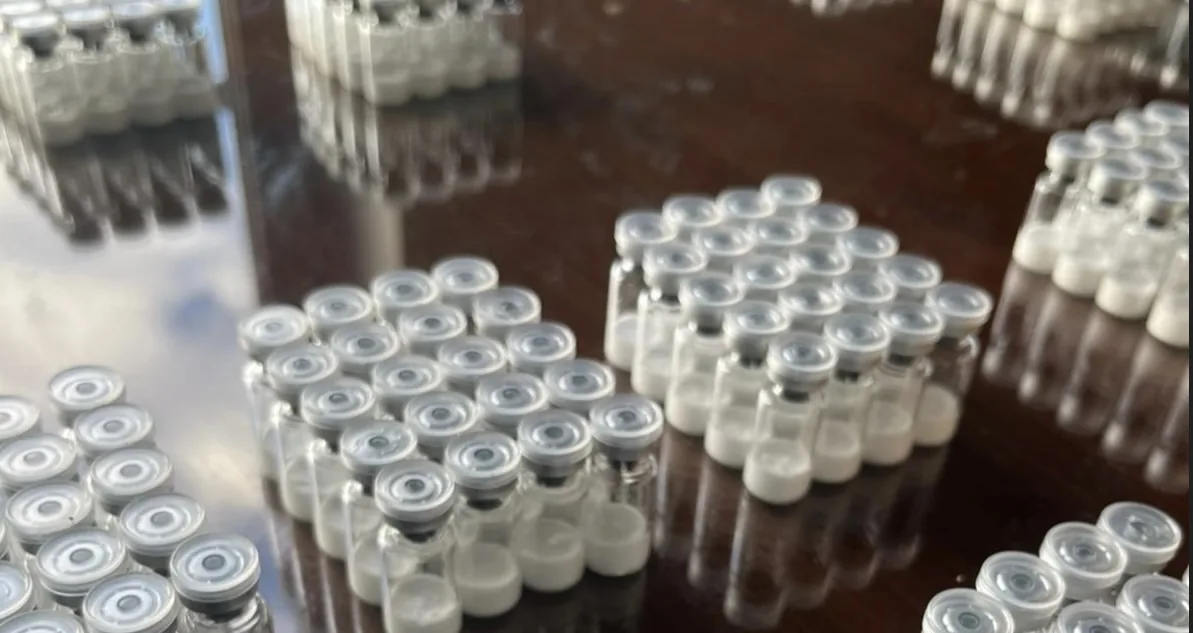
It depended on the stage of the business, but by the end we were producing around 10,000 vials a day. I wouldn’t describe that as an enormous amount, but it was substantial.
Was having production in Poland the main advantage of Biowell?
Yes. That was probably the company’s greatest advantage. We could say that we had our own production in Europe. It meant we could control the production line, the warehouse and the process rather than simply buying finished vials.
We had the necessary documentation and certificates. The producer’s other work was highly regulated, which gave him the knowledge and ability to arrange the production operation. The pharmaceutical work and the research-chemical work were kept on separate production lines because they could not be mixed.
Did you know exactly which laboratory or legal entity was doing the manufacturing?
I visited and checked the operation, but there was no prominent company labelling inside. I didn’t investigate the corporate details further because the production was working, the company was doing well and we had the documents we needed. I didn’t see a reason to dig further into it at that point.
He initially produced only for me, but later asked whether he could manufacture for other brands. I agreed. He had funded the equipment, so I couldn’t tell him that he was allowed to work only for Biowell. Several Polish and European brands used his services, although I don’t want to name them and accidentally identify the wrong companies.
How was the arrangement documented?
It was all invoiced. The producer’s chemical company could buy the raw material in its own name, manufacture the chemical compounds and invoice my chemical company, which then sold them. Much of our business was business-to-business.
Everything was declared, invoiced and visible to the authorities. We paid tax on it. We also commissioned several legal audits, at least three and perhaps as many as five, from different Polish law firms to check that we weren’t making obvious mistakes.
The research-use model and Biowell’s marketing
What did those lawyers tell you?
Our understanding was that the model complied with the way a research-use chemical business was supposed to operate in Poland and the European Union. We were selling chemicals, not medicines, and we had invoices and documentation throughout the supply chain.
I also had what I described as a REACH or chemical-import registration number. We didn’t simply call ourselves a chemical company without documentation behind it.
Biowell’s marketing was very visible. How did you try to keep that separate from human use?
Our marketing was aggressive in the sense that the brand appeared everywhere, but we promoted the name and logo rather than instructions for using the products. We sponsored Mr Olympia and bodybuilding shows around the world. Athletes could appear with the Biowell logo in the same way that an athlete might promote a construction company or another unrelated sponsor.
We had the marketing checked legally. We didn’t publish dosing guidance or tell customers what a compound would do for them. Some research-peptide companies quote studies and then say that a compound may produce a particular effect. We avoided even that. If someone asked me why they needed a product, I couldn’t explain how they should use it. The customer was expected to have their own research purpose and knowledge. That made growth slower because many European customers didn’t know what the compounds were, but that was the restriction we imposed on ourselves.
What about sponsored athletes and affiliates?
They were also prohibited from promoting human use. We monitored them. Roughly half of the affiliates were removed because they wouldn’t follow that rule and kept talking about using the products in order to increase sales. The affiliates who remained were expected to promote the brand, its logo and its sponsorships, not dosing or personal use.
You say the business operated for years without serious legal trouble. Had the authorities ever looked at it before?
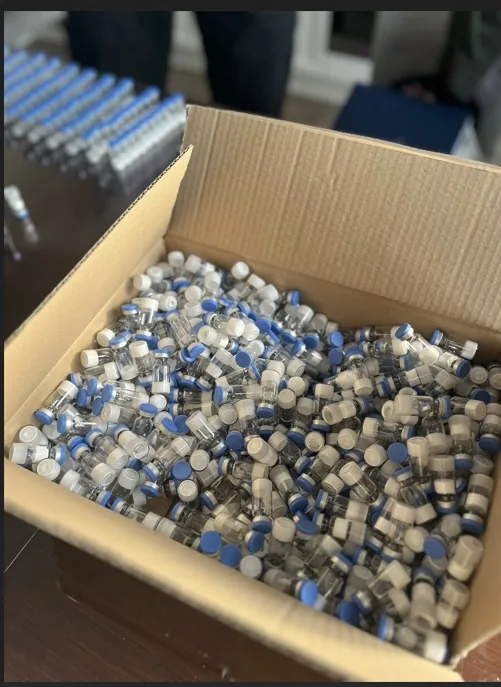
We operated for about seven years without a major problem. There had been an earlier seizure, around two years before this raid, when the authorities secured what may have been half a tonne of peptide products.
We supplied the documentation, invoices and explanation. After approximately two days, everything was returned with what amounted to an apology. That experience reinforced my belief that the business was legal: the authorities had examined it before and given the products back.
The Black Hawk raid
What happened on the morning of the raid?
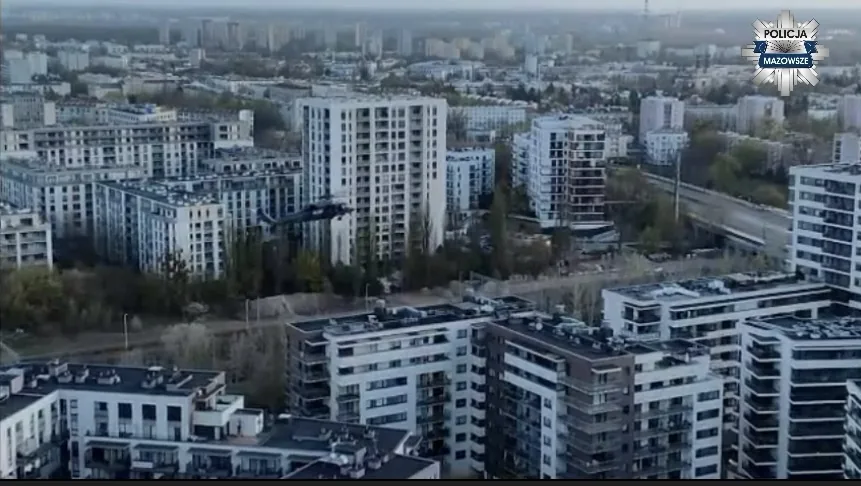
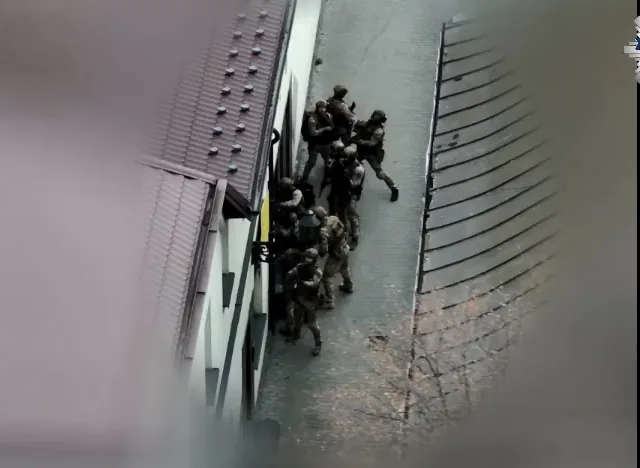
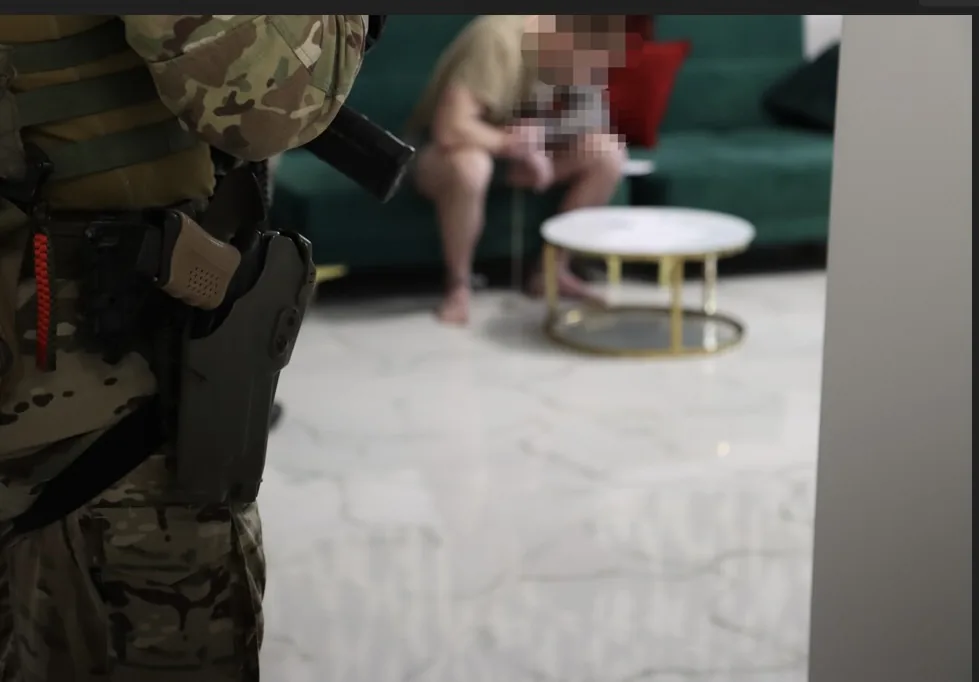
There was suddenly a Black Hawk helicopter above my apartment in central Warsaw. Officers descended on ropes, entered the apartment and threw in two flash grenades. There were around six counterterrorism officers, fully armed with long weapons.
My girlfriend and I were inside with our two small dogs. I was immediately forced to the floor, with a knee in my back, and restrained. There was no conversation. It looked like the kind of operation used against a major drug dealer, weapons smuggler or terrorist.
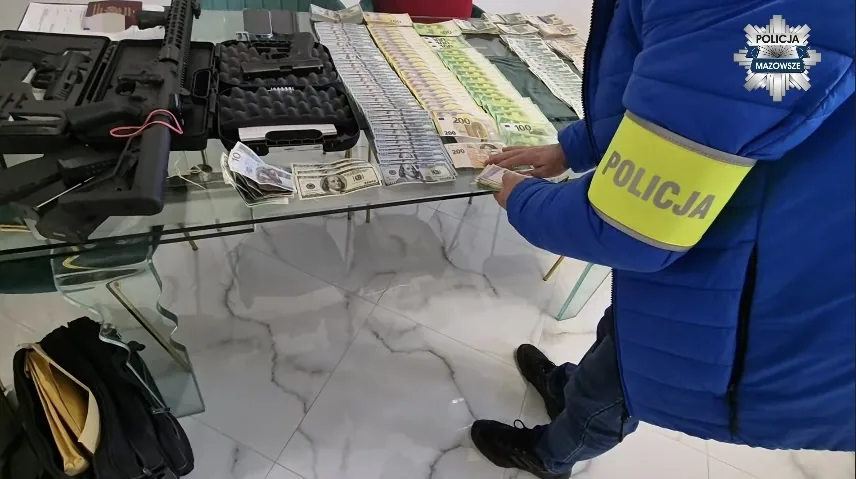
If they had knocked on the door, I would have opened it. I had no weapons permit, no weapons in the apartment and no intention of resisting. I still don’t understand why that level of force was considered necessary.
Did you know why it was happening?
No. That was one of the most frightening parts. If you’re running a large drug operation, you know what you’ve done when the police arrive. I genuinely didn’t understand why they were there. My first thought was that it might be a tax matter.
Was it only your apartment?
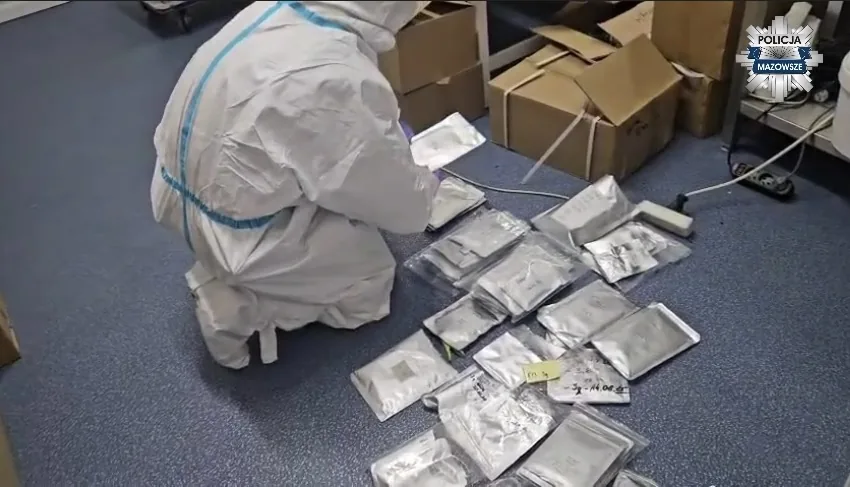
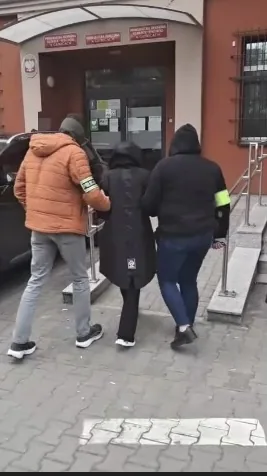
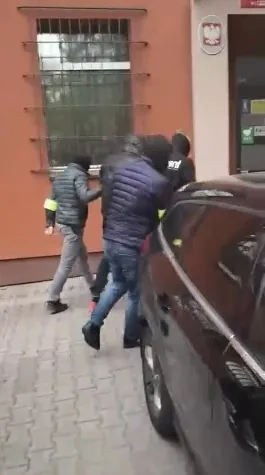
No. It was a coordinated operation. The producer was taken at the same time, along with several employees. One was a sales manager who worked on the phone. Two women worked as my assistants, driving between locations, moving ordinary business items from one place to another, arranging appointments and booking tickets.
The authorities even detained my mother for two days. Several years earlier, I had temporarily stored some peptides in refrigerators in the garage at her house for two or three months. They relied on that historical connection when they detained her.
What happened to your girlfriend?
She was detained for approximately one month. She had worked for the company in marketing: recruiting affiliates, coordinating graphics and performing ordinary paid work for Biowell. She wasn’t involved in manufacturing. Most of the other employees and family members were released after three or four days. The producer and I were held for much longer.
What Krawczyk says Biowell did not sell
Some online accounts said the operation involved steroids and growth hormone. Did Biowell manufacture or sell them?
No. This is one of the main reasons I wanted to speak publicly. We never manufactured steroids, and I didn’t sell vials of growth hormone or other hormonal medicines through Biowell. I deliberately kept those products out of the business because they’re medicines in the European Union. If something appeared on a list of products that couldn’t legally be bought and sold through our model, I didn’t touch it.
Some videos, including videos from Germany, claimed that we were raided because we were selling steroids. That’s not true. If it were true, I would say so now because hiding it would achieve nothing.
As far as I know, Biowell may be the first prominent European brand to be taken down over research peptides themselves rather than peptides being added to a case involving steroids or explicit human-use promotion.
Did the police find any steroid product at all?
They found one vial of testosterone, which was mine personally. That was the only one. They didn’t find a steroid business, steroids in the warehouse or evidence that Biowell had been selling them.
Were you tested for drugs?
Yes, twice: once when the officers entered the apartment and again after the first three days, when I was transferred into detention. Nothing was found. There were no drugs or weapons in my home or warehouse.
Arrest, questioning and pretrial detention
What happened after you were taken from the apartment?
I was held and questioned for three days. The allegation presented to me was that I’d been selling illegal or falsified medicines. I can provide a photograph of the document setting out the accusation. It’s in Polish, but it shows the basis on which I was detained. After those three days, I wasn’t released. The company was characterised as an organised criminal group and I was placed in pretrial detention.
What was the detention facility like?
It was awful. The room was bare and the bed had no proper mattress. I initially thought I would be there only for the three-day investigative detention, but I was then kept in custody for what I describe as half a year.
Why did the authorities say you needed to remain in custody?
They said we were an organised criminal group and that the legitimate company was only a front. Their position appeared to be that the research-chemical business disguised the sale of illegal medicines.
My view is that they expected to uncover steroids, drugs, growth hormone or some larger criminal operation behind Biowell. They seized my phones and records and had months to examine everything. They already knew the structure of the company, who produced for us and who bought from us because it was all in the invoices. I had no secret information to trade for my release. I couldn’t give them another network because there was nothing else behind the business.
Did your lawyers try to present the company records?
Yes. My lawyers repeatedly pointed to the documentation showing how the business operated. Their concern was that the investigators didn’t appear interested in hearing it and had already decided to close the company and keep me detained.
One lawyer told me that the way the case was being handled looked like a setup. I don’t know whether that’s true. It’s also possible that somebody changed the interpretation of the rules or that the authorities expected to find something else and didn’t.
When were you released?
Approximately a month and a half before this interview. The producer was released as well. We were required to provide financial security so that we wouldn’t leave, and I can’t travel outside Poland.
There’s no trial date. The investigation has been extended, most recently until sometime in December, and it can be extended again. Everyone connected with the case is currently out of custody, but the case remains open.
The Polish Anti-Doping Agency opinion
What evidence do you believe was used to justify the case?
One of the most important pieces was an opinion from the Polish Anti-Doping Agency, POLADA. The opinion listed the compounds we sold and, as I understand it, described products such as BPC-157 in a way that made them appear to be prescription medicines or illegal substances.
Why do you dispute it?
POLADA decides what’s prohibited in professional sport. If an Olympic athlete tests positive for BPC-157, POLADA can treat it as a doping violation and the athlete can be banned. I don’t dispute that role. My argument is that an anti-doping agency doesn’t determine whether a chemical compound can legally be sold as a research material. Those are different questions. A substance can be prohibited for an athlete without automatically becoming an illegal prescription medicine for every other legal purpose.
I believe the original decision-makers saw the POLADA list and assumed that every compound on it was therefore an illegal medicine or steroid. When another judge examined the issue during a later detention hearing, the weaknesses became clearer. The judge allowed us to leave custody subject to financial security and reportedly observed that the case had grown to an enormous size without corresponding evidence inside it. That’s my understanding of why we were released, although the investigation itself wasn’t closed.
The sale of bacteriostatic water
Biowell also sold bacteriostatic water. Could that be used as evidence that the peptides were intended for injection?
Yes, investigators may try to use that fact alongside the products. We sold bacteriostatic water. However, I haven’t seen it presented in my documents as the decisive basis of the case. Possessing or selling the water doesn’t by itself prove everything alleged about the wider business.
Even if they want to bring a narrow case around that product, I still question whether a helicopter, counterterrorism unit, months of detention and the treatment of my girlfriend, mother and employees were proportionate.
Competitors, cyberattacks and false COAs
Do you believe a competitor may have reported you?
I had many enemies because Biowell’s marketing was aggressive and the brand was highly visible. Other European research-peptide companies generally didn’t want any relationship with us. If I tried to establish contact, the response was effectively: you’re our competition, so we won’t speak to you.
The market was hostile. Companies attacked one another and circulated negative information. We experienced several cyberattacks against the website, although we had backups and recovered. Fake certificates of analysis were also circulated from anonymous accounts against Biowell and other brands. I can’t prove that a competitor caused the investigation. I can only say that there were people who wanted Biowell gone and that the company had become very visible.
What was your relationship with Biolab?
The owner of Biolab, Dominic, had previously been my coach. Biowell was established first, and Biolab opened around two months later. I saw the decision as jealousy: in my view, my former coach saw what Biowell was building and wanted to enter the same market.
I haven’t seen him for two or three years, so I don’t know the current details of his operation. I believe Biolab still exists as a supplement company. After the Biowell raid, the largest Polish brands removed peptides from their public websites, at least temporarily. The market was very quiet for a month or two, but some companies may now be operating more discreetly.
The smaller companies, which I described during the interview as the previously “mediocre” brands, didn’t stop and have since moved towards the top of the Polish market.
Biowell after the raid
What has happened to the Biowell brand? Did you sell it?
No. It’s still mine. I’m not currently selling the products that form part of the investigation. Biowell is selling ordinary supplements through a separate supplement line. I’ve also started a company in the United States and am beginning to work there with supplements. Until I know precisely what the Polish authorities intend to do, I don’t want to take an action that could be portrayed as ignoring the investigation.
If you are cleared, would you return to selling research peptides?
Definitely. If the case ends with confirmation that what we were doing was lawful, I will have stronger evidence than before that the model is legal. I would return to the business and use the outcome publicly: the authorities challenged it, and the court found that we had operated correctly. That could also make the case important for the rest of the European research-peptide market. It may become a test case that shows other companies what they can and can’t do.
Customers and international sales
Where were most of your customers?
Germany was by far the largest market, accounting for roughly 76 to 80 per cent of customers. Austria was also important. Poland represented only around nine per cent, even though production and the company were based there.
The Polish peptide market was relatively poor and very price-driven. Many buyers looked for the cheapest option and cared less about quality. Germany was a much stronger market for a quality-focused brand.
What about the United Kingdom?
The UK was never our main market. After Brexit, customs delays became too disruptive. Packages could be held for two weeks or a month while documents were supplied, and that was too long for customers to wait. We eventually stopped actively pursuing UK sales because we couldn’t maintain the service quality.
The size of the business
How much revenue was Biowell generating before the raid?
Monthly turnover was around four million Polish złoty, approximately US$1.2 million to US$1.3 million at the time. We paid 23 per cent VAT and 19 per cent income tax. I described that as 42 per cent in total, although the effective tax treatment is more complicated than simply adding the two percentages. The important point is that the sales were recorded and significant taxes were paid in Poland.
What was the value of the products seized?
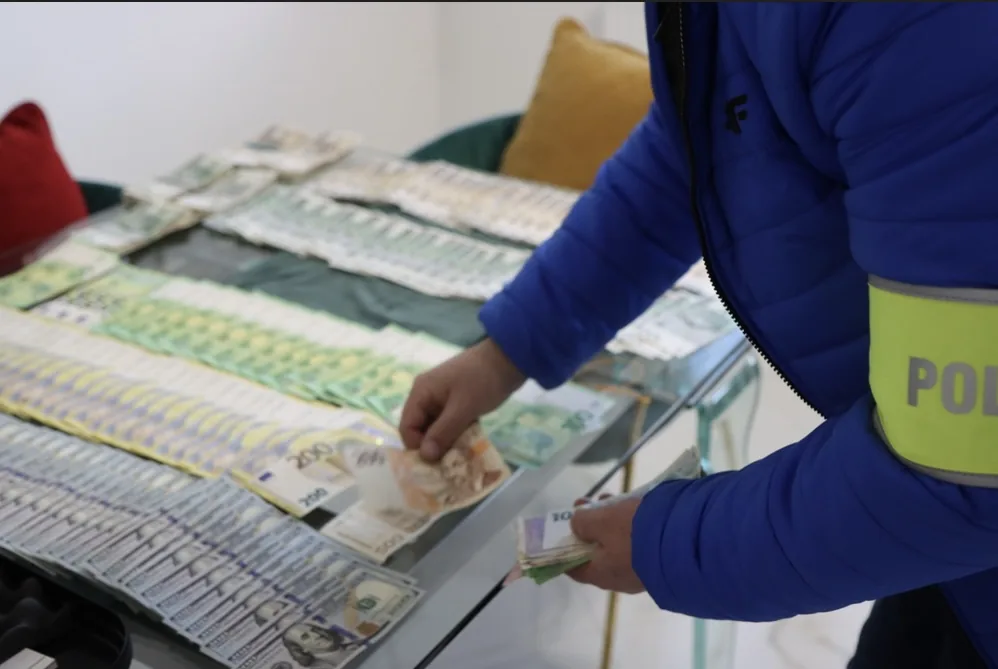
The value recorded on paper was approximately US$2.7 million. The raid therefore didn’t merely interrupt the company. It removed a large amount of stock, stopped contracts, damaged customer relationships and affected the reputation of both Biowell and me personally.
The legal cost and possible compensation claim
How much has the case cost you in legal fees?
An enormous amount, particularly at the beginning. Very few Polish lawyers have deep experience with research-use chemical cases, and none had dealt with a case quite like this one.
If the case is dismissed or you are acquitted, can you recover what you lost?
I will try. I would seek compensation not only for legal costs and seized stock but for contracts I couldn’t fulfil, lost customers, damage to my reputation and the time I spent in detention. I understand that any claim against the state could take years. I also worry that the authorities may eventually pursue one small technical offence. Even a minor finding could be used to argue that the detention was justified and prevent a larger compensation claim. I don’t know what will happen. I know only that if I’m fully cleared, I intend to pursue the losses.
Why Krawczyk believes investigators expected more
Why do you think the authorities expected to find steroids or growth hormone?
Because many companies in this market sell them alongside peptides. Growth hormone is particularly profitable and difficult to source at reliable quality in Europe. If Biowell had added HGH to the website between BPC-157 and TB-500, I believe the company could have made two or three times more money. Customers often assume that if a brand’s peptides test well, its growth hormone must also be good. Many European brands use peptide testing to build confidence and then sell HGH and other products beside it.
I chose not to do that because HGH is clearly a medicine. Had the police found commercial quantities in the warehouse or on the website, the legal position would have been much simpler for them. My suspicion is that they assumed every large peptide company must also be doing what many competitors do. They spent months looking and found no hidden steroid or HGH business.
Peptide manufacturing in Poland
Are there many Polish facilities manufacturing or lyophilising peptides?
Most finished vials still come from China. I believe there are Polish facilities doing some lyophilisation, but many are connected to underground steroid production. They don’t provide normal invoices, and they’re not facilities that a brand could openly visit with a camera. To my knowledge, our operation was unusual because the producer had the documentation and permissions to operate as a chemical business, and our companies invoiced one another over six or seven years. I don’t know enough about every other European country to say whether another equivalent facility exists elsewhere.
Advice to new peptide sellers
Many people now want to make money from peptides. Would you recommend entering the market?
Only if they operate according to the law where they live and trade. Whether the relevant authority is the FDA or a European regulator, they need to understand the rules and be transparent about what they are doing. If a company produces bad products or deceives customers, it will eventually be exposed. New sellers shouldn’t damage the whole market by racing to the lowest possible price and allowing quality to fall with it.
Where a substance can legally be supplied as a research-use chemical, sell it honestly in that category. If regulators clearly remove a compound from what can be sold, stop selling it. The market has to work with regulation rather than pretending regulation doesn’t exist. That advice didn’t protect me from this investigation, but I still believe it’s the only defensible way to operate.
What he would do differently
Looking back, is there anything you regret or would change?
I might have moved the selling company and warehouse to another European country. The tax burden in Poland was high, and I believe another jurisdiction might have understood the research-chemical model better. What disturbed me most was that I wasn’t given an opportunity to present the documents before being detained. In my view, that shouldn’t happen in an EU country when a company has traded openly, paid tax and previously supplied the same kind of documentation to the authorities. I am sure I made mistakes somewhere, as every business owner does. If I did, they weren’t deliberate. The entire purpose of structuring Biowell as we did was to operate legally and avoid precisely this situation.
The future of the peptide market
Where do you think the peptide market is going?
It will continue to grow, but I don’t believe the current research-use market can remain unchanged forever. Peptides have become too popular and visible. Large pharmaceutical companies will take some compounds into regulated medicine once they have enough research and money behind them. The United States appears to have more intermediate regulatory pathways in which some products may be prescribed under particular conditions and risks. Europe tends to treat a substance more rigidly as either a legal chemical or an authorised medicine, which makes change slower. I expect the United States to move first and Europe to follow gradually.
Could your case affect that development?
Possibly. If I am cleared, I would like to bring European brands together and establish an association. We could use the case to define practices that are acceptable and those that create legal risk.
I can’t do that properly while I remain under investigation. Afterwards, I could advise others from direct experience: I have been through the raid, the detention and the legal challenge.
Life after release
How has the travel restriction affected you?
Before the raid, I travelled around 80 per cent of the time. Biowell sponsored shows around the world, and I attended them to build relationships. I went to the Arnold Classic in Ohio, events in Medellín in Colombia, shows in Dubai and Emilio Martínez’s IFBB Pro League events in Spain. I was rarely at home. Now I can’t leave Poland. There are no holidays and no international events until the restriction is removed. I’m used to constant travel, so being unable to leave doesn’t feel good, but for now I have to wait.
Do you know when the case will move forward?
No. There’s no hearing or trial date. The latest information I received was simply that the investigation had been extended until December. It may be extended again. It’s a waiting game. The company was shut down, the products were seized and the people involved are now out of custody, but the investigation continues without a clear endpoint.
Final question
Why did you want to give this interview?
Because people have said that Biowell was secretly selling steroids, growth hormone, drugs or weapons and that this was the real reason for the raid. I wanted to say directly that this isn’t true.
The case concerns the peptide and research-chemical business. The police found one personal vial of testosterone, but they didn’t find a commercial steroid operation, drugs or weapons. I was tested twice and nothing was found.
People can examine the documents when I provide them and make up their own minds. I know what I did and what I didn’t do. The investigation is still open, so I can’t predict its outcome, but I believe I will be cleared.
If that happens, I will return to the industry. I will use what happened to show where I believe the legal boundaries are and, perhaps, help create a more organised European market.

Comments