
When I published my first article on the strange Hospira bacteriostatic water labelled RH7241, I left the conclusion unresolved. There were good reasons for the concern. The cap colour looked slightly different. The label had changed. The lot and expiry were printed differently. The familiar Data Matrix on the crimp appeared to be missing. Most importantly, PeptideTest had already warned a customer that the Hospira they received might not be genuine. But since then, quite a lot has happened and the story now looks very different.
Pfizer Has Confirmed RH7241 Is a Real Lot
One of the biggest questions was whether RH7241 was even a genuine Pfizer lot. A Pfizer Certificate of Compliance had appeared online showing: Bacteriostatic Water for Injection, USP; NDC 00409-3977-03, Lot RH7241, Expiry 03/31/2028. To check it was genuine I emailed Pfizer myself and they sent me the same certificate.
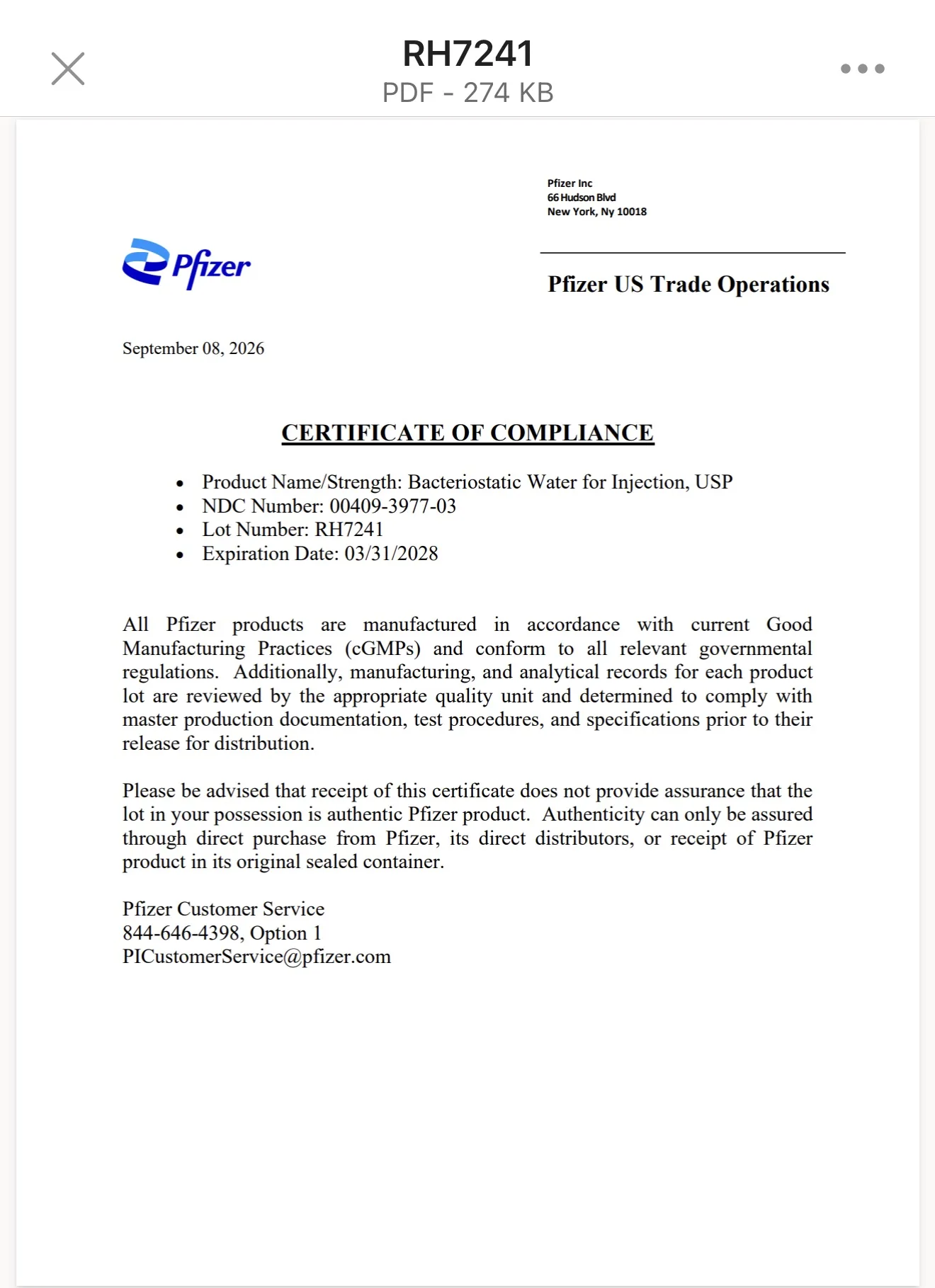
So that part is settled: RH7241 is a real Pfizer lot.
But that doesn’t not automatically authenticate every bottle labelled RH7241. Pfizer makes that clear on the certificate itself: possession of a certificate doesn’t prove that a physical product in someone’s hands is genuine Pfizer stock. Someone producing counterfeit packaging could just copy the details of a real lot.
The Most Interesting Part: Pfizer Originally Said There Had Been No Label Change
I went back to PeptideTest to understand why they’d raised the alarm in the first place. According to PeptideTest, when the unfamiliar RH7241 stock arrived, they contacted Pfizer Injectables about the different packaging. They say Pfizer told them there had been no label change and that, if there had been one, they would have received an email notifying them. That changes the context considerably. PeptideTest wasn’t simply looking at a slightly different bottle and deciding it must be fake, they had unfamiliar stock, asked Pfizer about it and were apparently told that no label change had taken place. So in response, they warned customers and offered replacements. PeptideTest says that precaution cost them around $20,000. But they now believe the original concern was probably wrong. PeptideTest told me;
“It seems that the water was not counterfeit.”
They put their confidence at around 99%, although they’re still waiting for the remaining checks before calling it completely settled. So if RH7241 does turn out to be genuine stock with a newer label, there’s an obvious question: Why did Pfizer apparently tell PeptideTest that there had been no label change and that they would have been notified if there had? That may end up being the most interesting part of this entire story.
Pfizer Is Now Reviewing the Packaging
After Pfizer sent me the Certificate of Compliance, I showed them the pictures and asked them directly whether the unfamiliar RH7241 bottles were simply their new design.
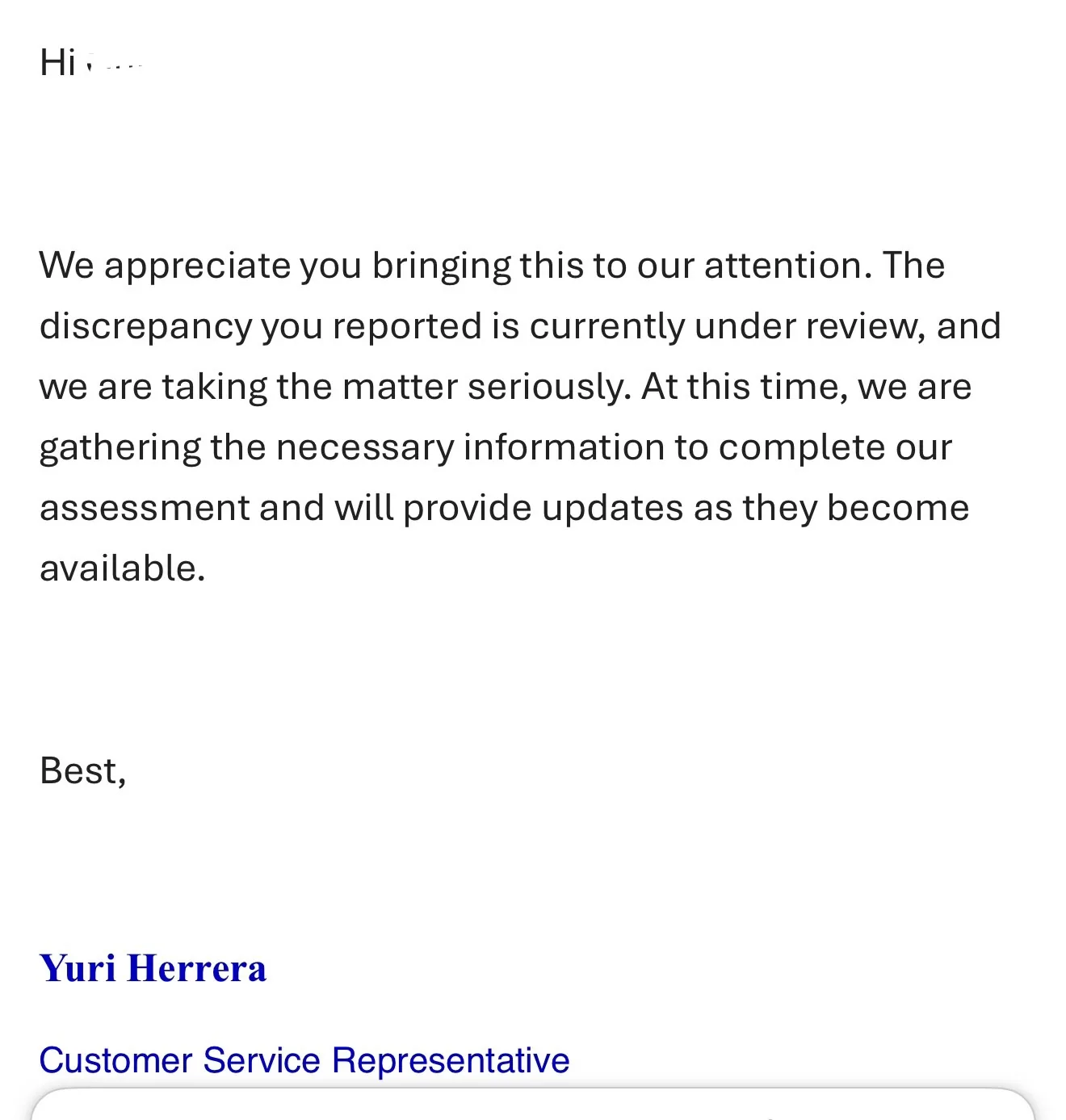
Pfizer didn’t confirm that, and instead, Customer Service told me: “The discrepancy you reported is currently under review, and we are taking the matter seriously.” They said they were gathering the information needed to complete their assessment and would update me when they had more information.
So we now have a very clear distinction: Pfizer has confirmed the lot but Pfizer has not yet confirmed the packaging. The remaining question is whether the RL-7705 label, the different lot/expiry layout and the apparent absence of the crimp Data Matrix are all genuine features of RH7241.
PeptideTest Tested the Water
Another major gap in the first article was that I couldn’t find evidence that anyone had actually tested the contents of the questioned bottles. PeptideTest now tells me they did. They say they tested the RH7241 water for: Benzyl alcohol, pH and Endotoxin. According to PeptideTest, all three results were satisfactory. Sterility testing has also been commissioned, but that result was still pending because they don't perform sterility testing themselves.
However, this still doesn't prove the bottle itself came from Pfizer, as in theory a counterfeit bottle could still contain correctly formulated bacteriostatic water. But it does make the original fear, unknown fake water in suspect packaging, considerably less convincing. I’ve asked for the actual test reports and will add the sterility result when it is available.
Some of the Original “Red Flags” Haven’t Held Up
Several things that initially looked suspicious turned out to have fairly ordinary explanations. The individual vial carries NDC 0409-3977-01, while the 25-vial tray carries 0409-3977-03. Those are different package-level numbers rather than evidence that something is wrong.
Horizontal lot and expiry printing also has legitimate precedent.
And Hospira/Pfizer bacteriostatic water has not had one fixed label design forever. Different markets and different periods show different layouts, black panels and label versions. The RH7241 tray also carries CA-7348, a packaging code already found in Hospira/Pfizer records.
The bottle itself carries RL-7705. The latest publicly documented Hospira label I found was RL-7699, so RL-7705 may simply be a newer label version that hadn’t yet appeared in the public records being checked when the warning was raised.
There’s also a suggestion that smaller formatting changes may not appear immediately in public label records which would explain why the bottle could look different while public records still showed an older label.
The Data Matrix Is Still the Odd One Out
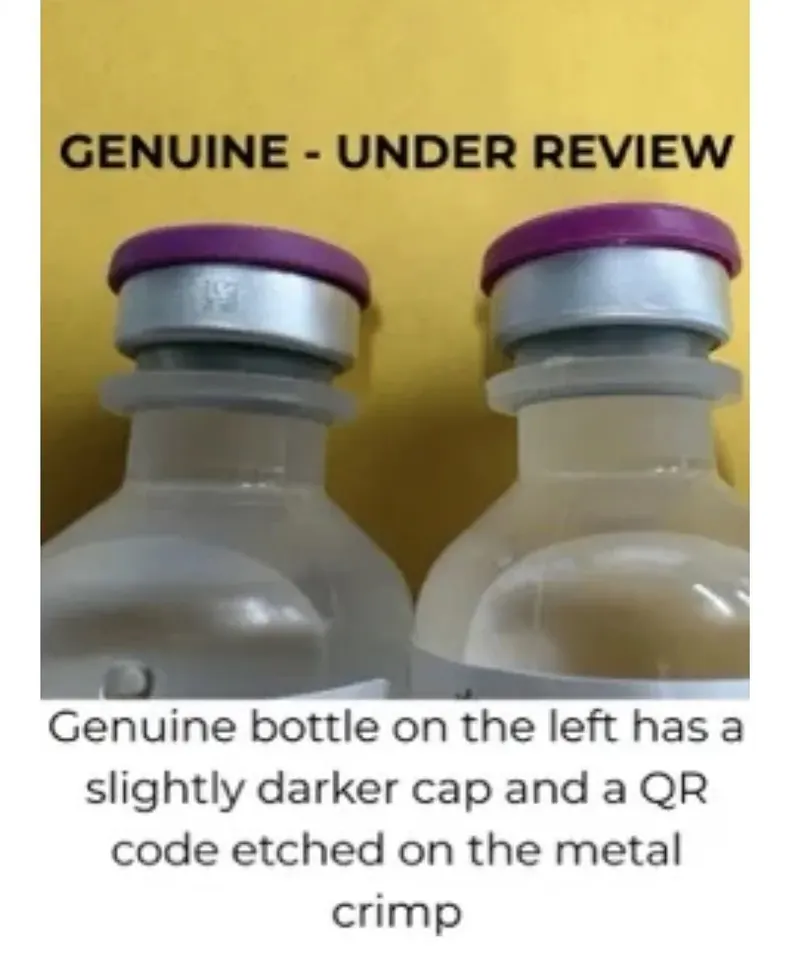
The feature I’m still most interested in is the little square mark on the crimp. I originally called it a QR code, but actually it isn’t. It’s a Data Matrix.
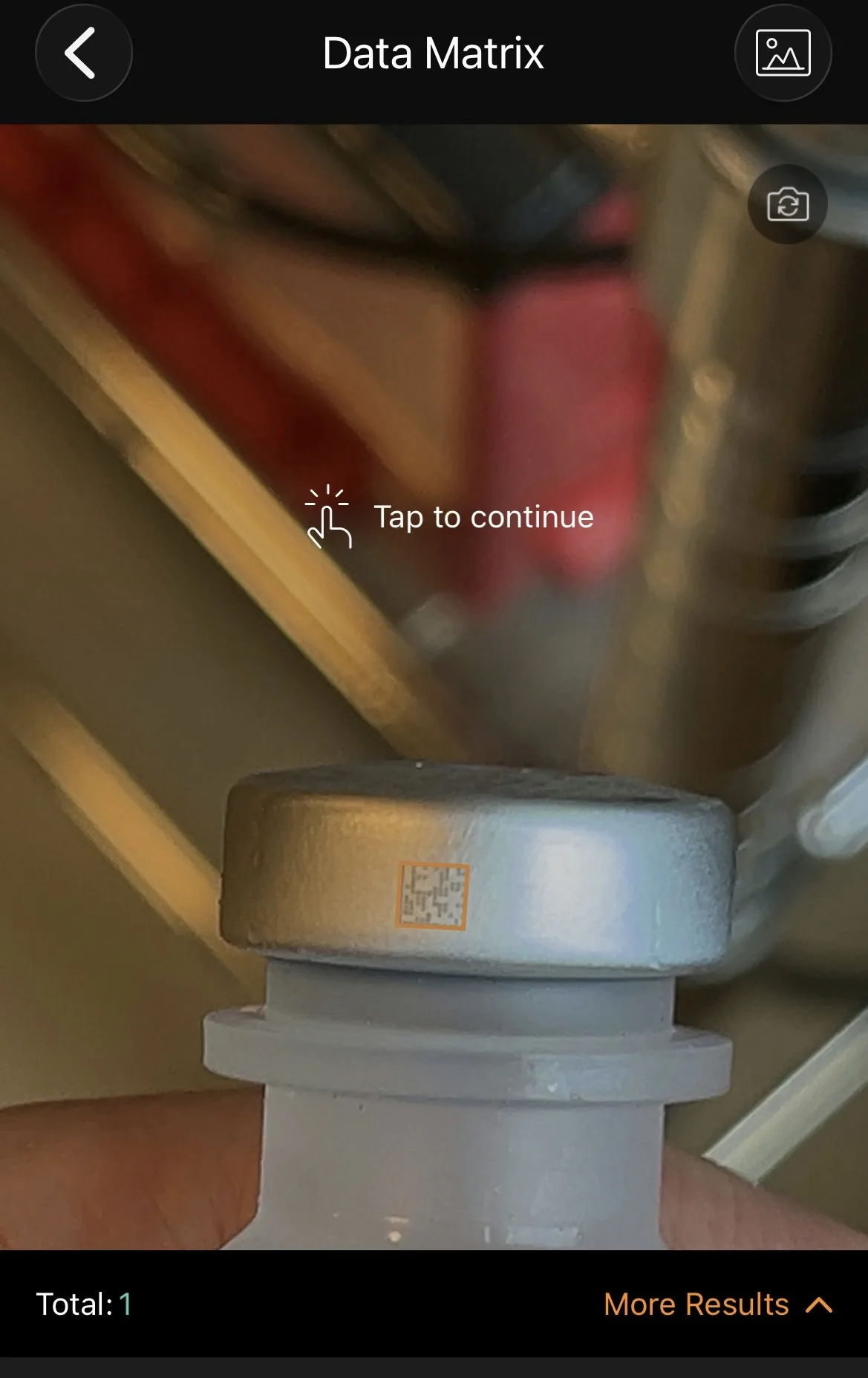
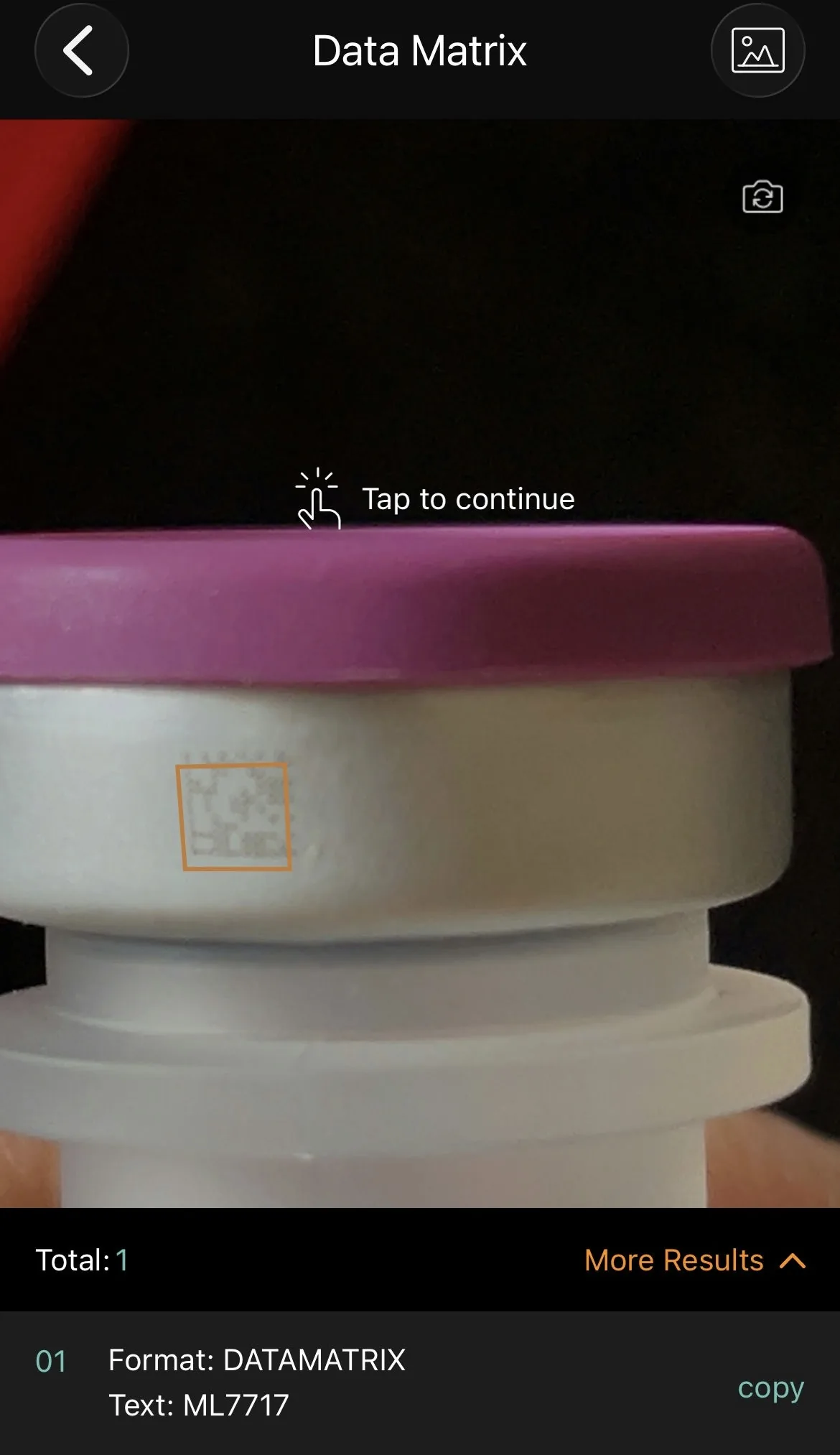
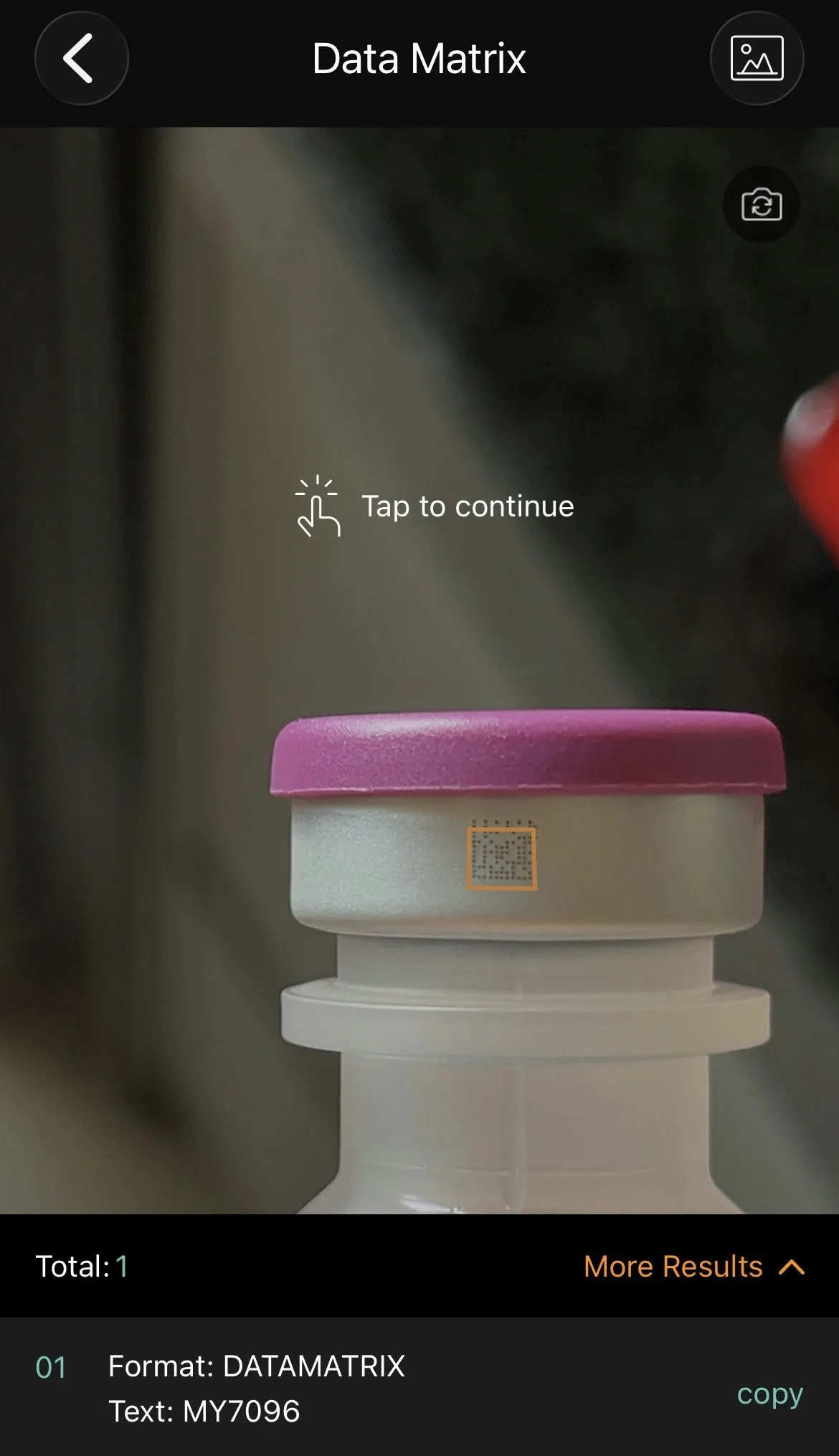
Someone contacted me after the first article and scanned three different Hospira crimp markings. They returned three different values: MY7089
ML7717 and MY7096. So these are genuine machine-readable codes rather than decorative impressions but what the codes actually identify is still unclear. The questioned RH7241 bottles appear not to have one.
Aminos previously argued, based on his own research, that Hospira bottles expiring after February 2027 should carry the Data Matrix. RH7241 expires in March 2028, which is why the missing mark originally looked significant. But I still haven’t found a Pfizer specification saying that every genuine vial from that period must have one. Other apparently normal Hospira stock has also now surfaced without the marking. So the Data Matrix remains interesting, but “no Data Matrix = fake” doesn’t currently hold up as a reliable rule.
RH7241 Keeps Turning Up
Since the first article, another group has contacted me after receiving the same RH7241 labelling through a group buy which they say came from a reputable medical supplier.
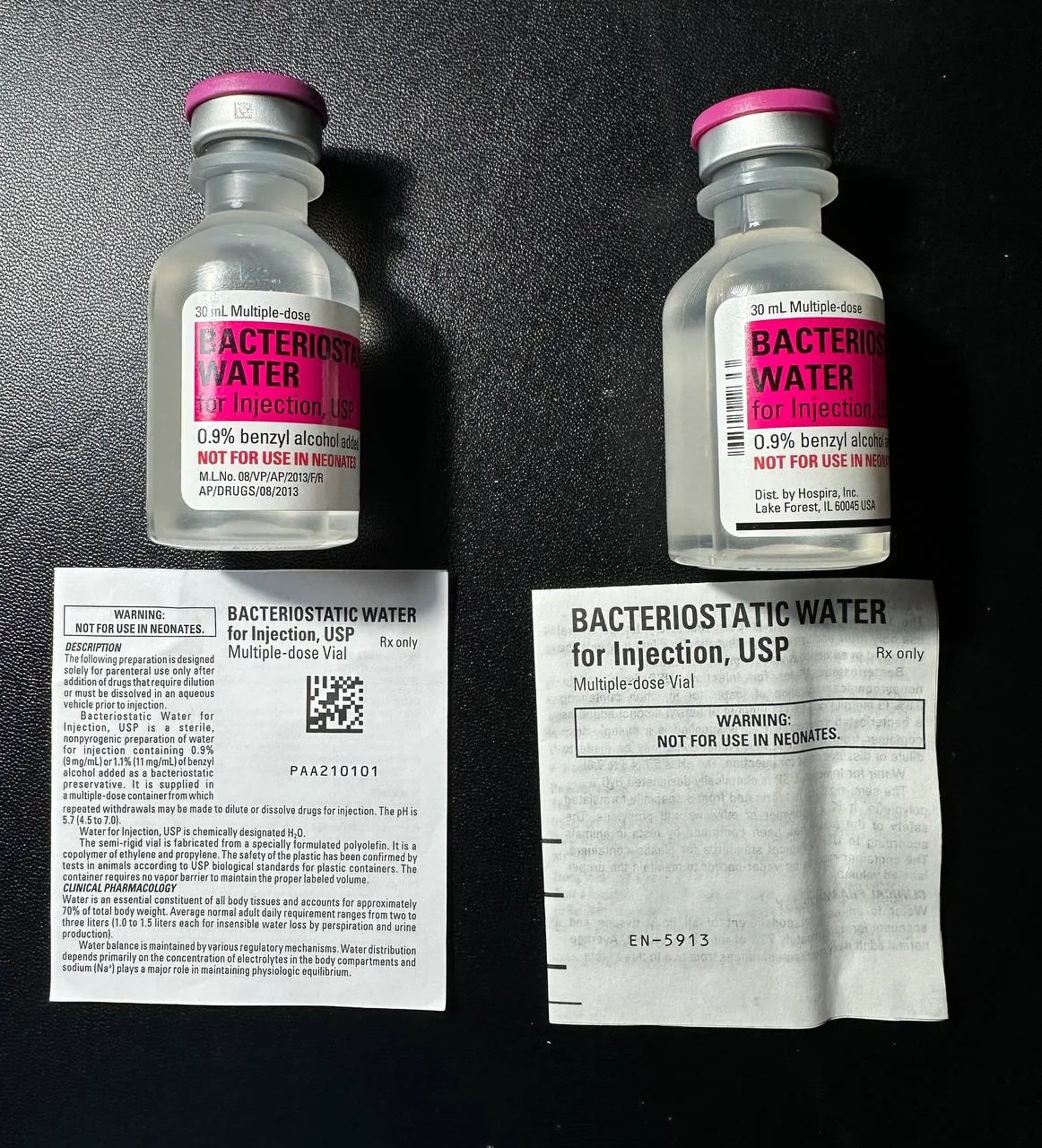
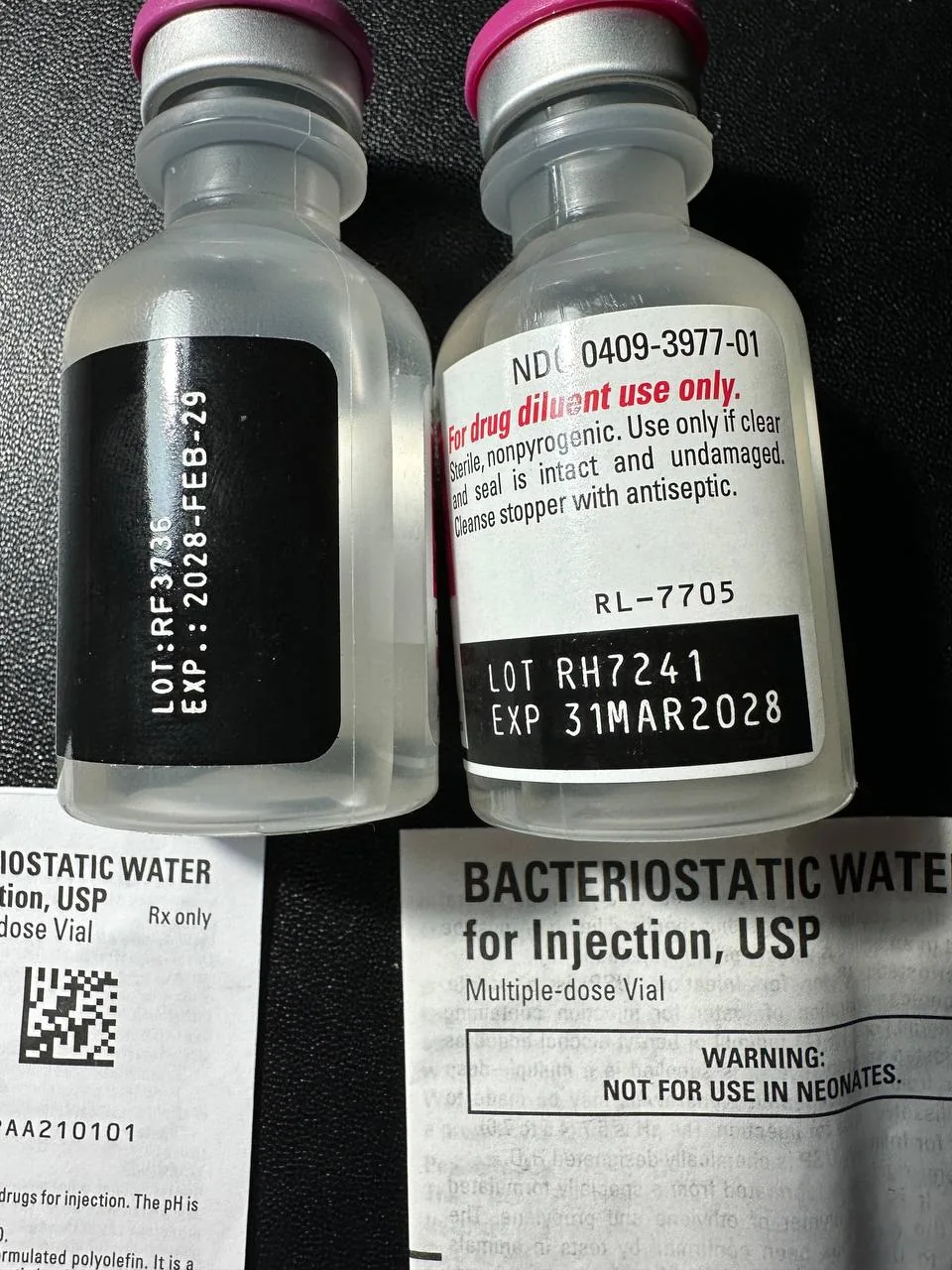
Their photographs show RH7241 / RL-7705 / 31MAR2028 alongside an older Hospira vial expiring 29FEB2028, only one month earlier. The difference is obvious: the February vial has the familiar large vertical lot/expiry panel and a Data Matrix on the crimp, while RH7241 has the smaller horizontal lot/expiry panel and no visible Data Matrix. So RH7241 has now turned up in several separate examples, so this is clearly more than a one off bottle. We also have photographs of complete RH7241-labelled tray packaging carrying the same lot and expiry. This makes the idea of one isolated fake bottle increasingly difficult to sustain.
Was It Made Somewhere Different?
Another theory is that RH7241 may have been produced or packaged somewhere different from some of the Hospira people were comparing it with. Older Hospira cases are marked “Made in India.” The RH7241 cases we’ve seen aren’t. But this is just speculation.
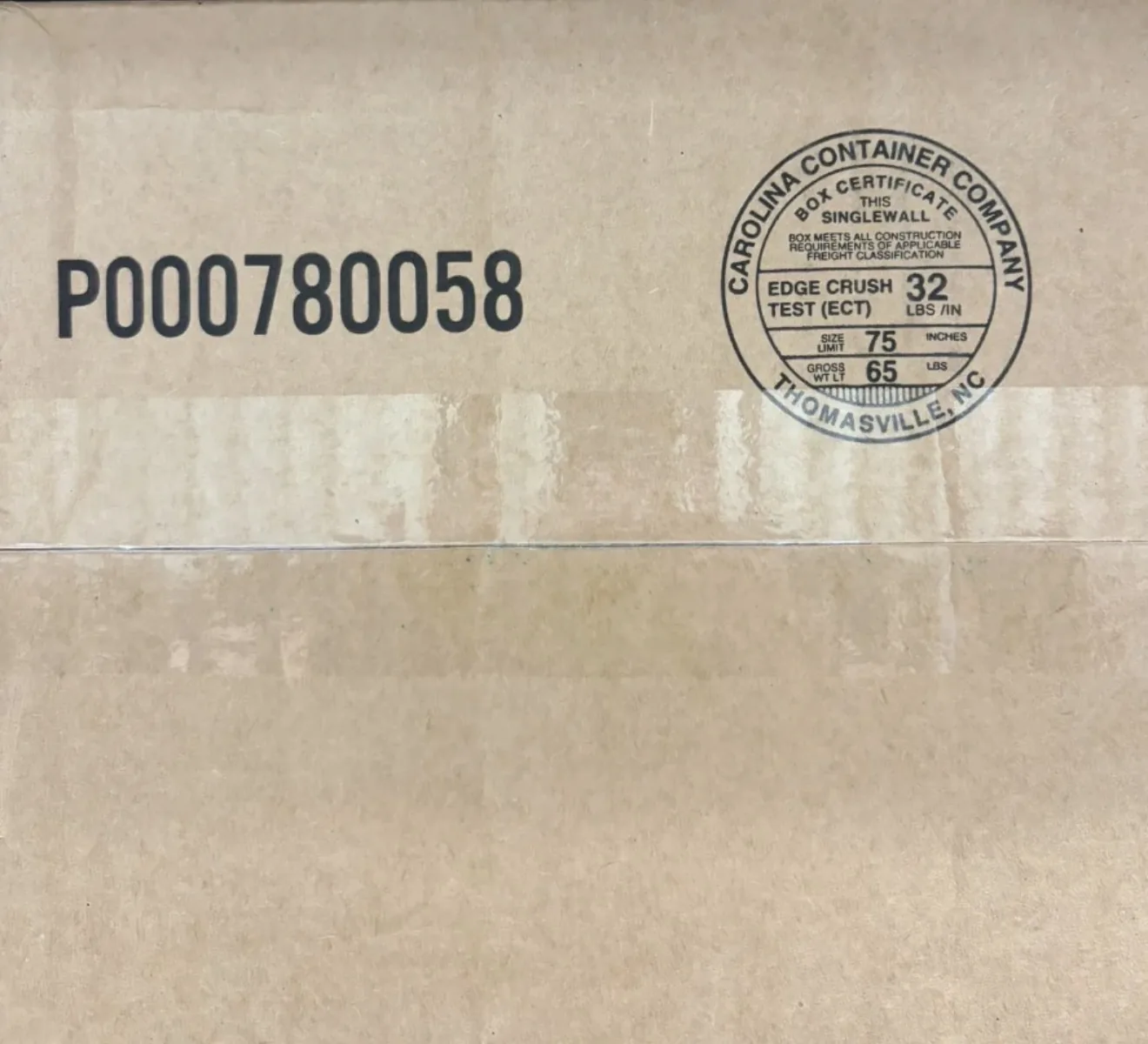
A stamp from a US cardboard-box manufacturer doesn’t prove that the pharmaceutical product inside was manufactured in the US, but it’s a possibility.
Where It Stands Now
RH7241 is a real Pfizer lot. PeptideTest now believes the water was not counterfeit and says benzyl alcohol, pH and endotoxin testing were satisfactory. Several of the original packaging concerns also have reasonable explanations. What’s still missing is Pfizer’s final answer on the packaging itself. They’re reviewing the discrepancy, and sterility testing is still pending.
At this point, the evidence points much more strongly towards genuine Hospira with unfamiliar packaging than counterfeit product and the irony may turn out to be that nobody uncovered fake Hospira at all, they just may have uncovered genuine Hospira that looked different enough that even the people selling it thought it was fake.

Comments