
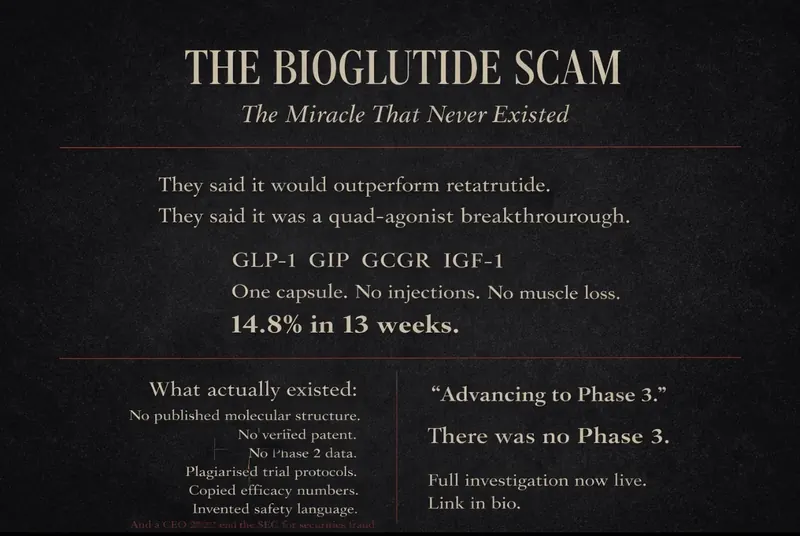
We all know, or at least should know by now, that Bioglutide is most likely fake, and that the company behind it, Biomed, has been heavily accused of fabricating claims. Much of this was uncovered by Aus Aminos, who did a deep dive into the inconsistencies surrounding the compound and presented it in his You Tube channel. I’ve also written an article about this here.
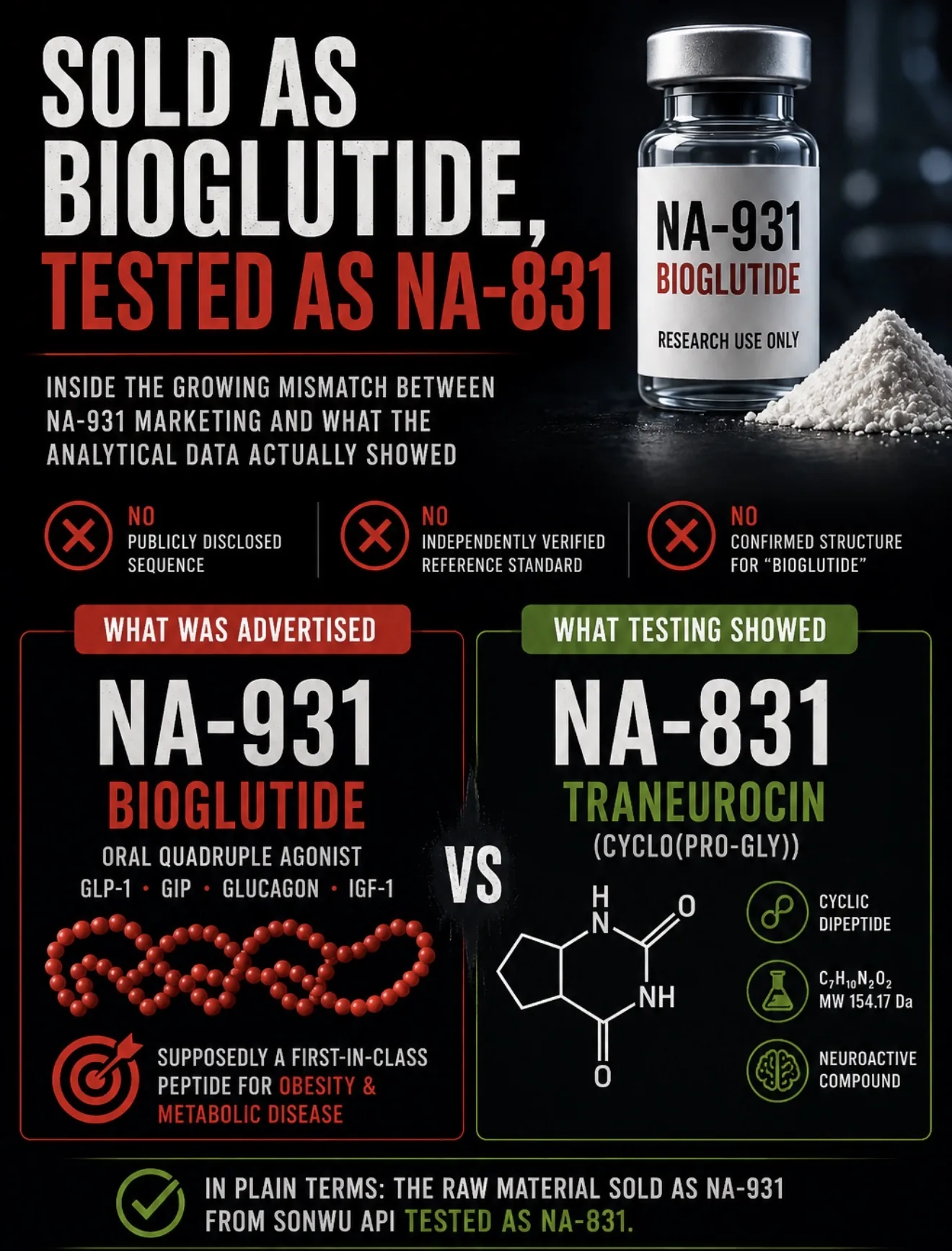
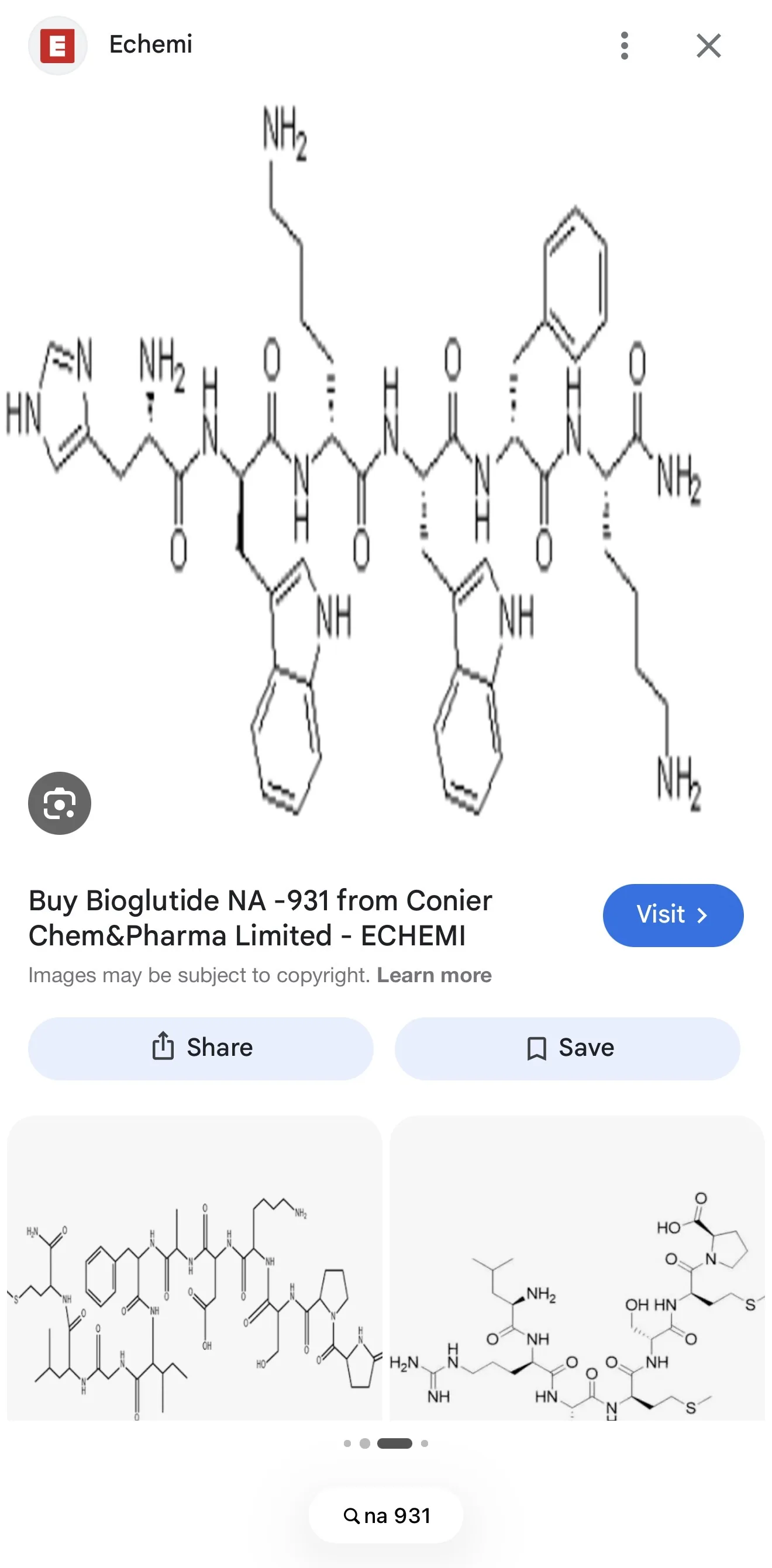
Bioglutide / NA-931 was supposed to be a first-in-class oral quadruple agonist targeting GLP-1, GIP, glucagon and IGF-1 receptors. The problem is that much of the claimed clinical evidence behind it appears either unverifiable, inconsistent, or fabricated. There’s still no publicly disclosed sequence, no independently verified reference standard, and no confirmed structure for “Bioglutide” itself.
So what exactly are the companies now advertising and selling as NA-931?
Back in October, Limitless were already selling Bioglutide, but Janoshik testing showed the product was just a blend of Retatrutide and Cagrilintide, not what NA-931 was supposed to be.
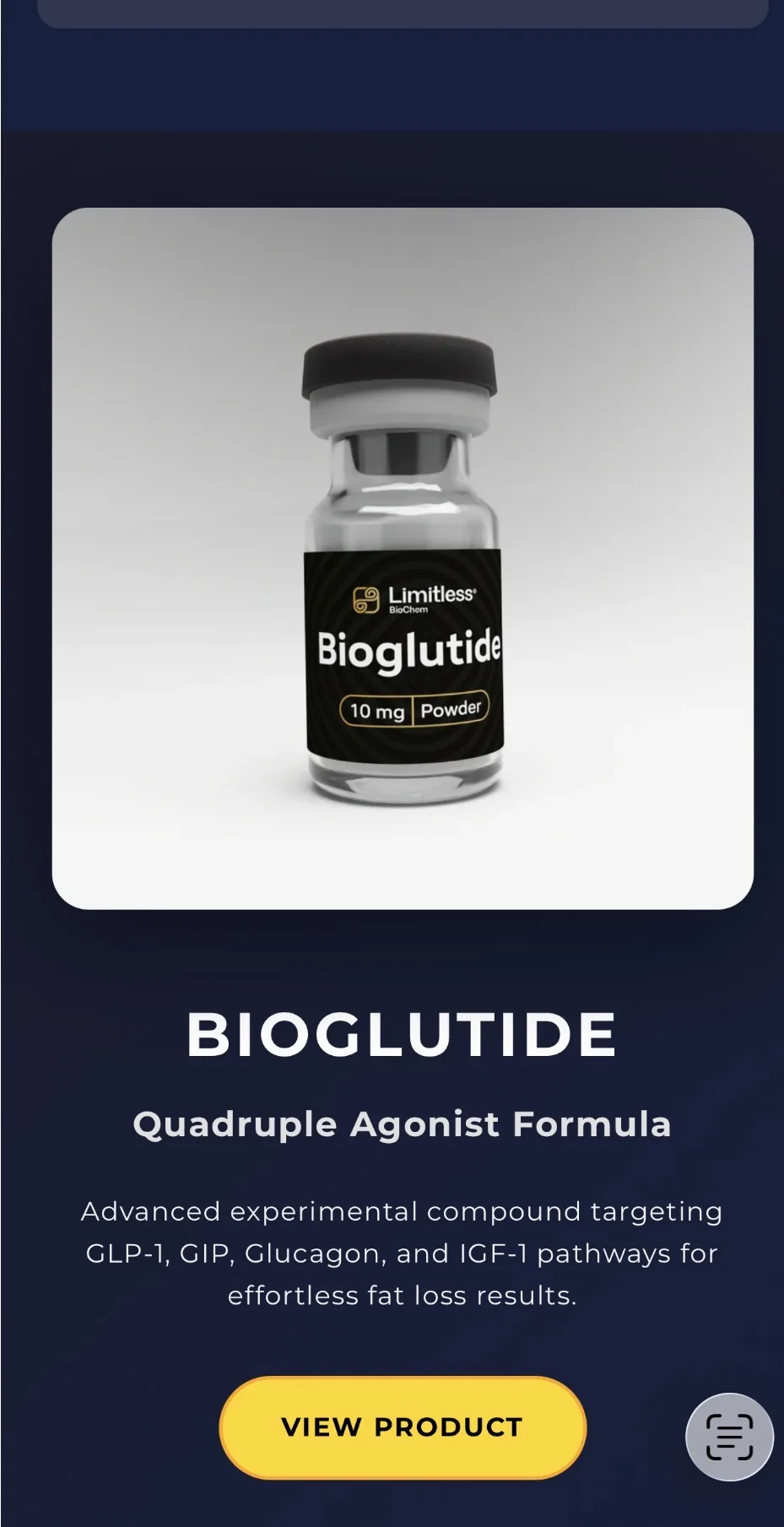
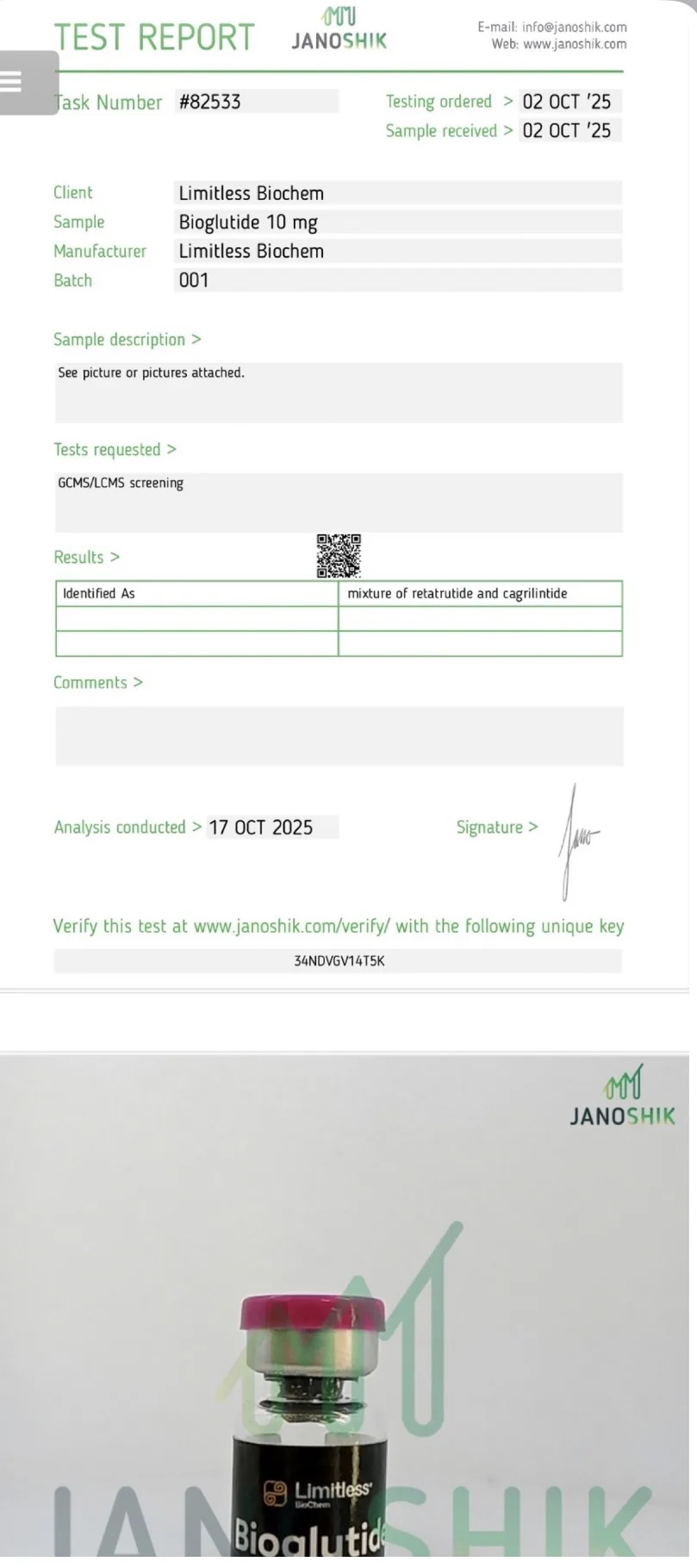
With the help of Kimera Chems, we’ve got closer to answering what’s exactly being sold now as Na-931 and its not Na-931 surprise surprise.
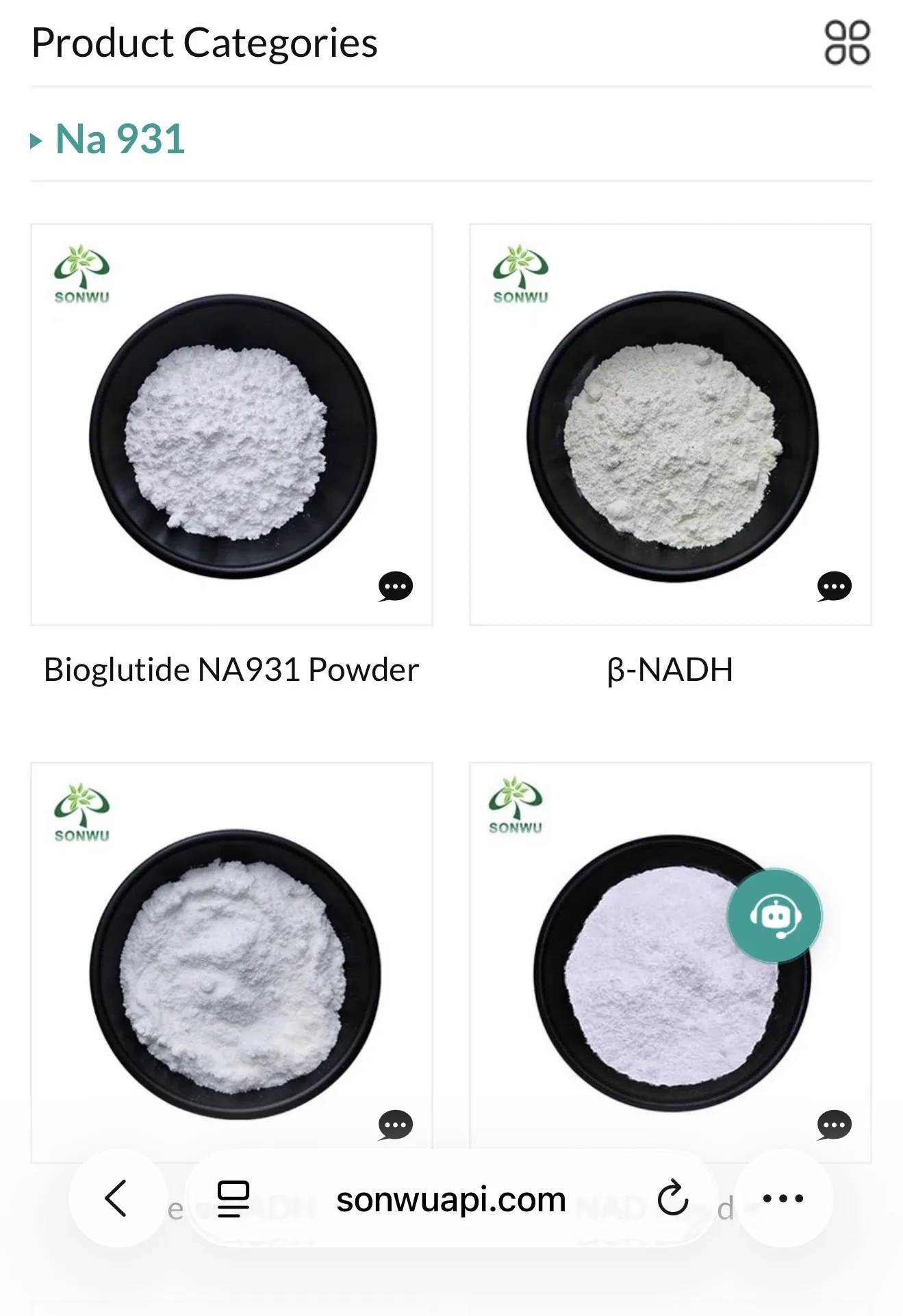
Kimera was able to acquire raw material sold as NA-931 from Sonwu API and they submitted it to NuMega Resonance Labs for analysis. The testing request was specific.
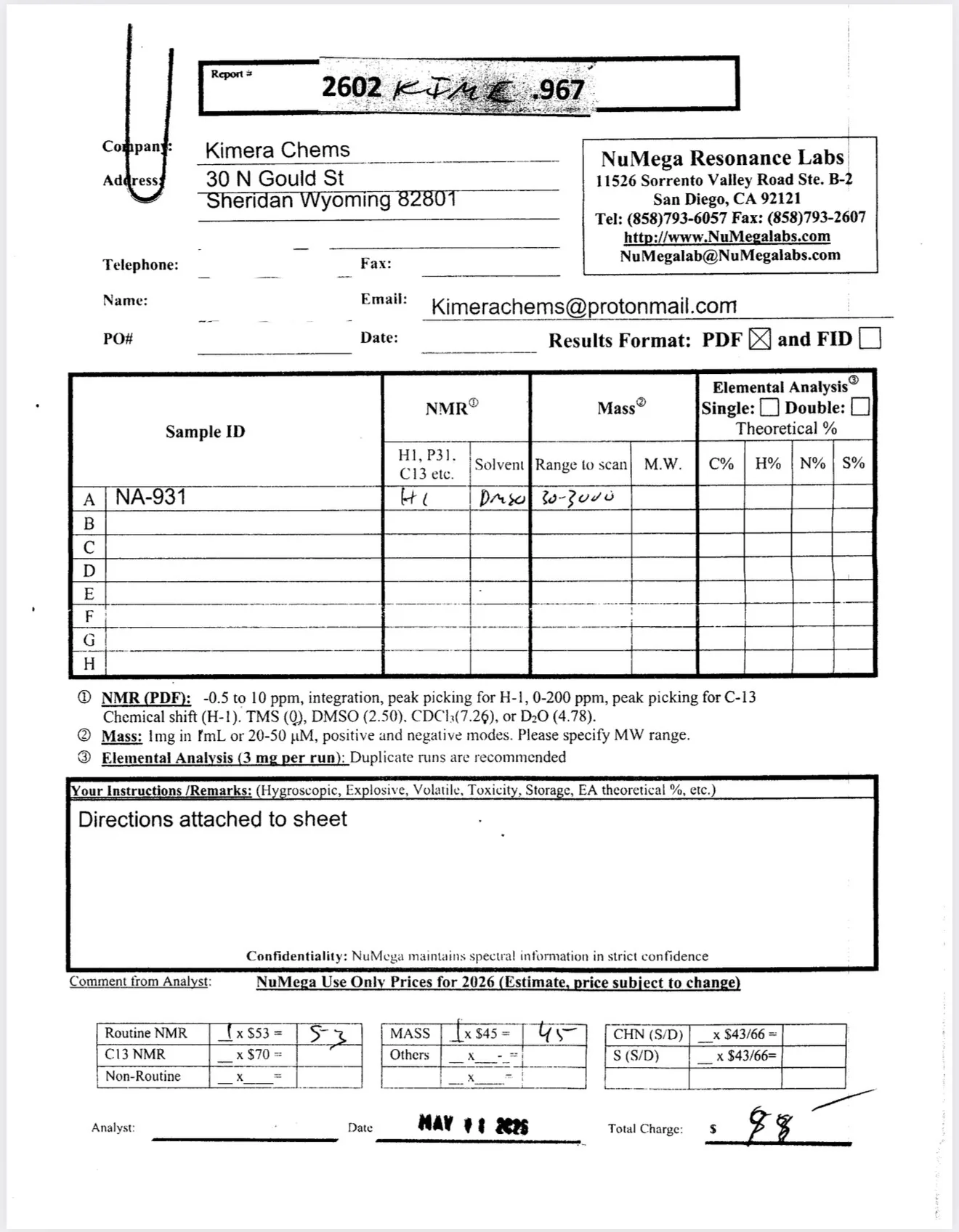
Kimera asked for:
H-1 routine NMR in DMSO-d6, with the full spectrum reported from 0 to 10 ppm, including the amide region.
Mass analysis by positive and negative ESI, because the sample was being treated as an unknown compound and was possibly a peptide in the 4000 to 5000 Da range.
The request specifically asked NuMega to report the full m/z scan, including any multiply charged peptide envelope, rather than only auto-picked parent ions. That matters because if NA-931 really was a glutide-style, multi-receptor peptide agonist, the analysis should have shown evidence consistent with a larger peptide-type molecule. Instead, the result pointed toward a much smaller compound, NA-831 / Traneurocin.
The result was not ambiguous.
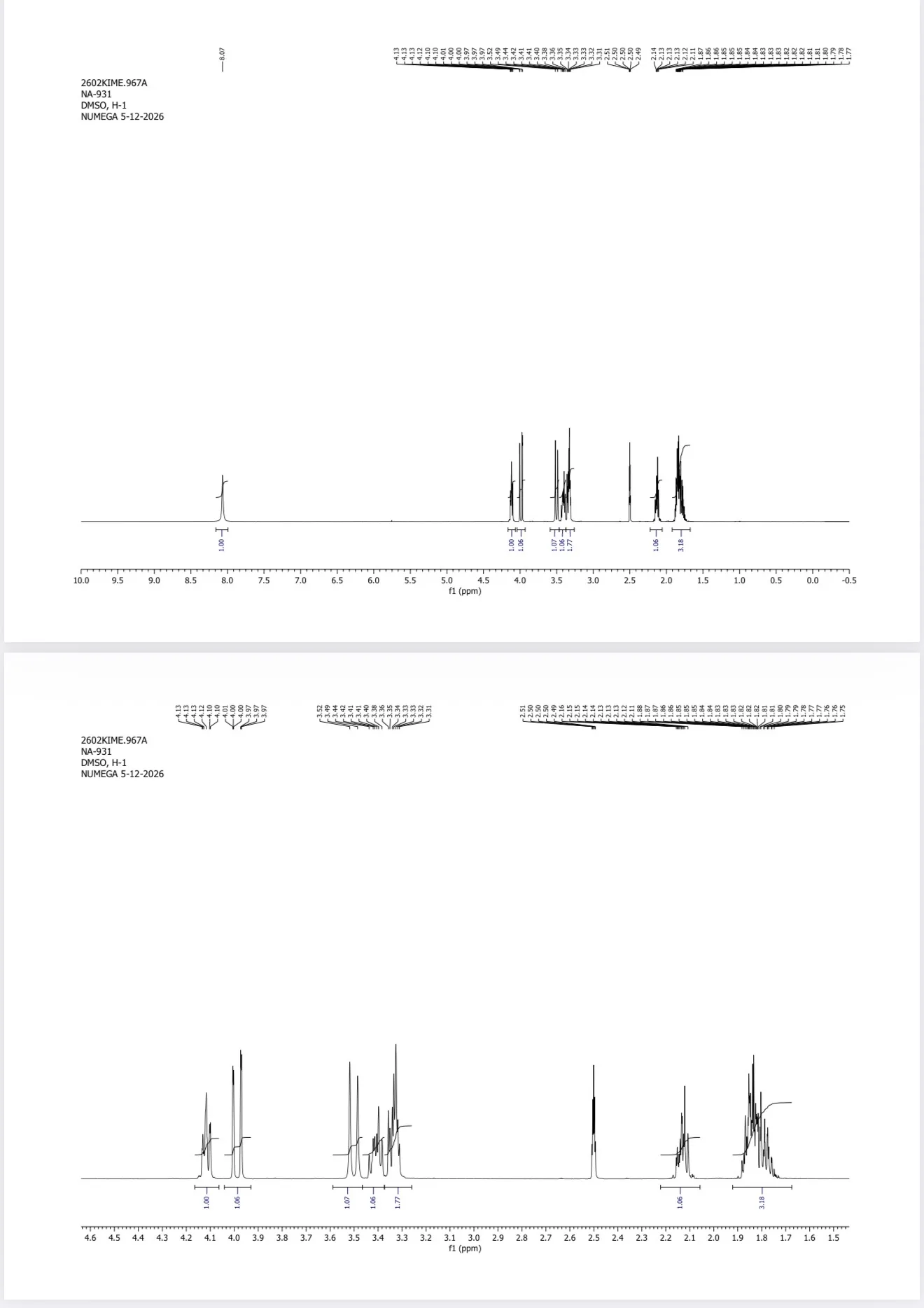
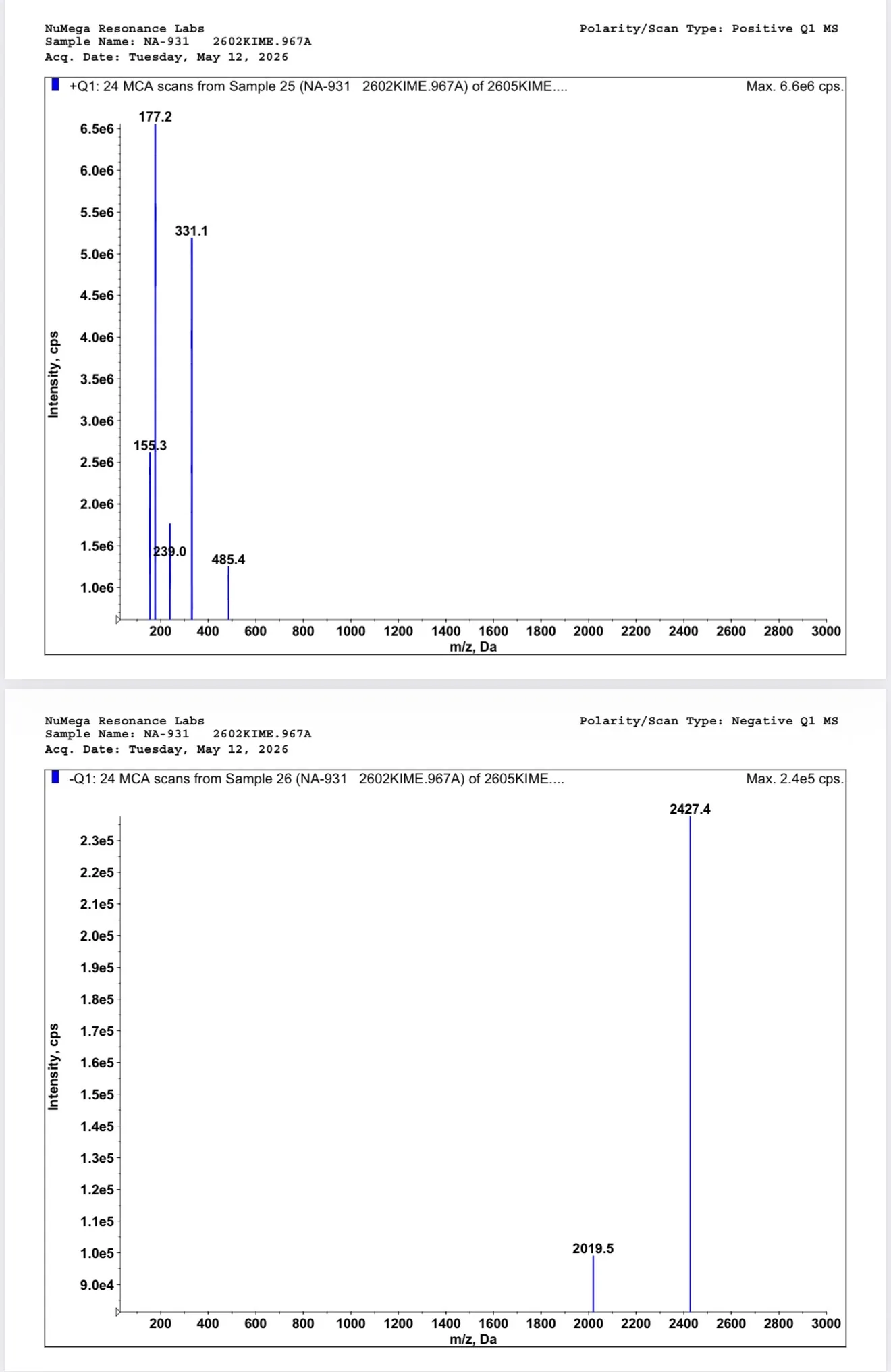
NuMega’s analytical conclusion identified the sample as NA-831 / Traneurocin / cyclo(L-prolyl-glycine), a cyclic dipeptide with the formula C7H10N2O2 and molecular weight 154.17 Da. So the raws was not NA-931 / Bioglutide.
The mass spectrometry data showed a parent mass around 154 Da, with positive-mode ESI peaks consistent with small-molecule adducts rather than a large peptide. No multiply charged peptide envelope was observed in the 800 to 2500 m/z window, which ruled out the expected 4000 to 5000 Da glutide-class peptide.
The NMR data also matched cyclo(Pro-Gly). The spectrum showed features consistent with a cyclic prolyl-glycine dipeptide, not a linear peptide, GLP-1-style analogue, or open-chain small molecule.
In plain terms, the raw material sold as NA-931 from Sonwu API tested as NA-831.
That raises another important distinction.
Although NA-831 itself does appear to be a real compound, also known as Traneurocin or cyclo(Pro-Gly), NA-831 is a small cyclic dipeptide associated with Biomed Industries’ neurological pipeline. It’s been discussed in connection with Alzheimer’s disease, mild cognitive impairment, Lewy body disease, dementia and other neurodegenerative conditions. Unlike Bioglutide, NA-831 actually has a defined molecular structure, a known molecular weight, patent references, identifiable chemistry and a plausible neuroactive mechanism
Mechanistically, NA-831 is thought to work by increasing BDNF levels in the hippocampus, which aids in neuron survival and synaptic resilience. Importantly, it’s not a GLP-1 agonist, nor a glutide, nor a quadruple receptor agonist nor a metabolic obesity drug. And that’s exactly why the substitution issue matters.
If somebody believes they’re taking a “quadruple agonist obesity drug” but are actually taking a neuroactive cyclic dipeptide, the pharmacology is completely different. The reported side effects associated with NA-831 appear relatively mild, but there is a major caveat. Much of the safety information comes from company materials, conference abstracts and secondary databases rather than fully published peer-reviewed datasets. The reported adverse effects include, mild headache, mild diarrhoea, mild nausea/vomiting in some reports, GI symptoms and possible fatigue or sleep-related effects.
Biomed and associated materials repeatedly describe the compound as “well tolerated” associated with “no serious adverse events” and having “no concerning safety signals” But the limitations are obvious as detailed raw clinical datasets are not publicly available, several claimed Phase 2/3 programs are difficult to independently verify and much of the available information originates from Biomed or NeuroActiva-linked sources rather than independent peer-reviewed publications.
This creates a strange contradiction around NA-831 itself. On one hand, secondary R&D databases still list Traneurocin / NA-831 in connection with Phase 2 and Phase 3 neurological programs. Patent references and historical company materials also exist. But on the other hand, while at least one NA-831 Alzheimer’s-related study appears on ClinicalTrials.gov, many of the broader Phase 2/3 therapeutic claims attached to Biomed’s pipeline remain difficult to independently verify.
So while the chemistry behind NA-831 appears real, the bigger issue is whether that real compound is being repurposed, substituted, or folded into increasingly exaggerated therapeutic narratives, including the Bioglutide / NA-931 story.
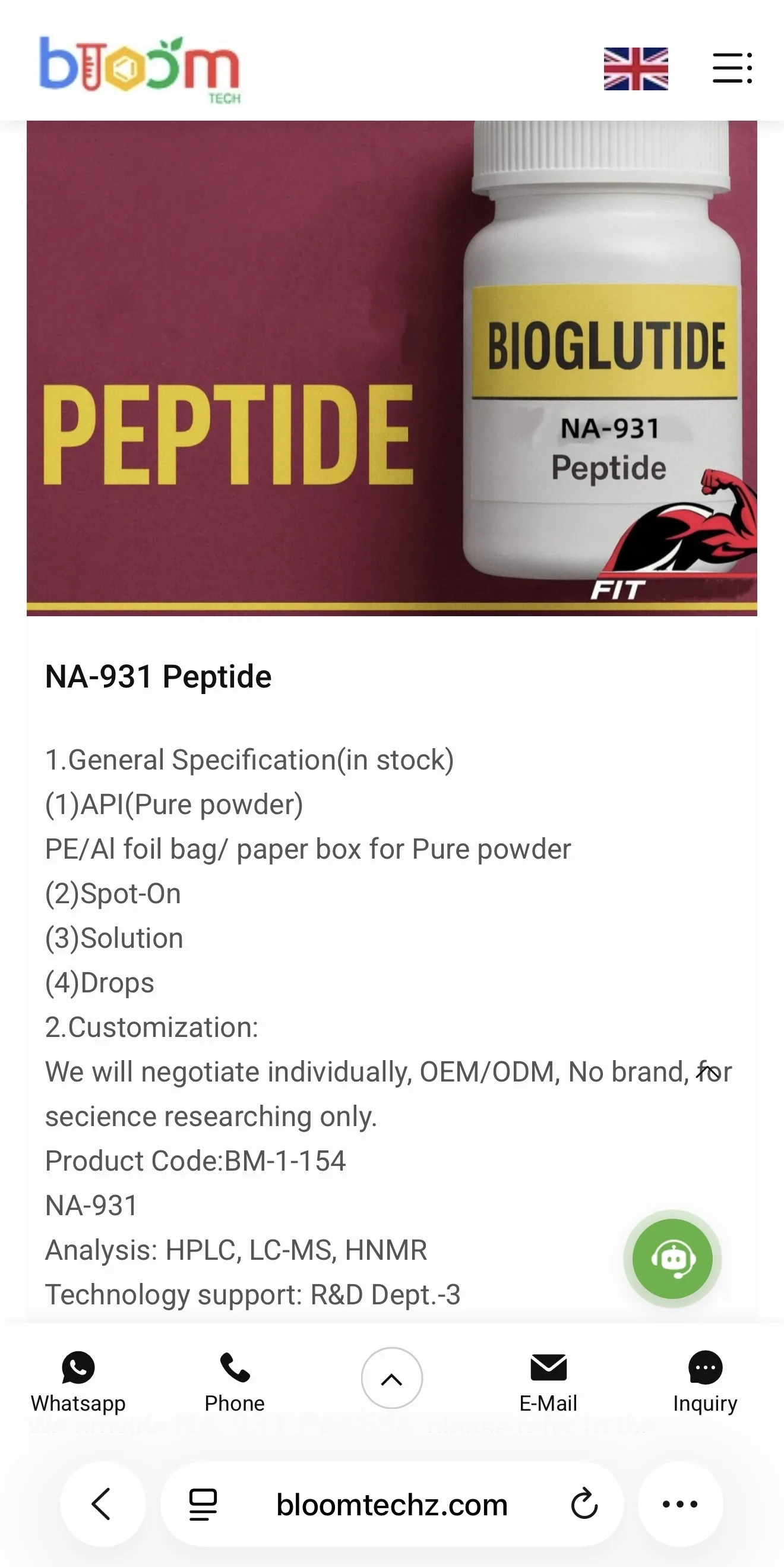
And the supplier landscape surrounding NA-931 only makes the situation more bizarre. Some supplier listings leave the sequence, CAS number, molecular formula and molecular weight completely blank while still marketing “NA-931” as a peptide product.
At the same time, multiple vendors are already selling raw powders and oral capsules, despite no publicly established analytical reference standard for Bioglutide itself.
One vendor even warns customers to “beware of fake Bioglutide,” while simultaneously selling a compound with no publicly verified sequence or confirmed structure.
That’s the real story here. The market has already moved into retail sales, supplier competition, counterfeit warnings, and finished capsule products, before anyone has conclusively established what authentic “Bioglutide” actually is.
And according to the analytical data obtained by Kimera and NuMega, at least one sample sold as NA-931 turned out to be something entirely different


Comments