
A dispute over the future of peptide access in the United States is gathering momentum. On 16 October, the Partnership for Safe Medicines (PSM) filed a citizen petition asking the FDA to prevent pharmacies from compounding seven peptides. Five days later, the organisation publicised the petition alongside an investigation alleging that licensed US pharmacies are already supplying restricted injectable compounds.
Meanwhile, three organisations have appeared on the White House meeting schedule for discussions about the FDA’s proposed interim peptide-access policy.
PSM wants restrictions maintained, while other organisations are pushing for greater access through regulated pharmacies.
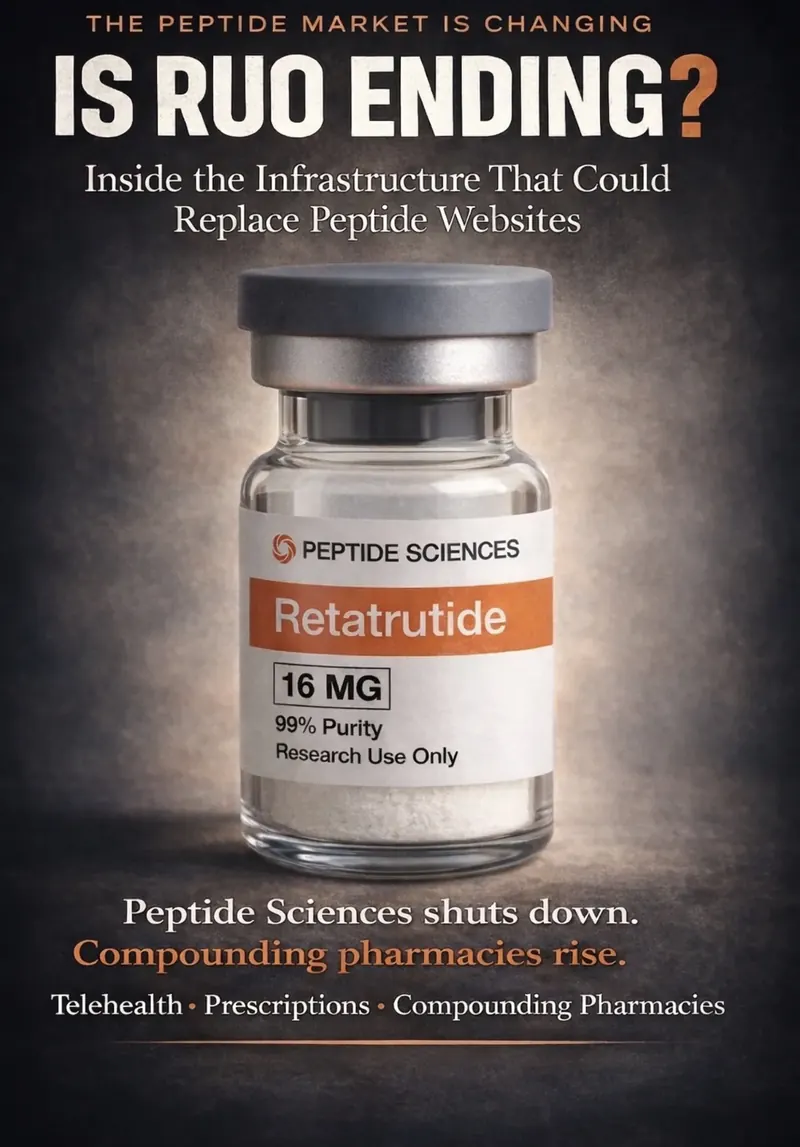
The outcome could have consequences for compounding pharmacies, telehealth businesses and the existing research-peptide market.
PSM Wants Seven Peptides Kept Out of Compounding
PSM’s petition concerns BPC-157, KPV, TB-500, MOTS-c, emideltide (DSIP), Semax and epitalon. The organisation argues that these substances lack sufficient human clinical evidence to establish their safety and effectiveness. It also raises concerns about impurities, immunogenicity and the quality of compounded preparations.
In July, the FDA’s Pharmacy Compounding Advisory Committee (PCAC) recommended allowing six of the seven peptides to be added to the list of bulk drug substances eligible for certain pharmacy compounding. The committee supported BPC-157, KPV, TB-500, MOTS-c, Semax and epitalon, but rejected emideltide (DSIP). Those recommendations differed from the position taken by FDA scientific staff, who had raised concerns about the available safety and effectiveness evidence.
PSM is now asking the FDA not to permit compounding of any of the seven substances, whether through formal listing, placement in Category 1 or temporary enforcement discretion. It’s also challenging the advisory committee process, alleging potential conflicts of interest and failures to comply with federal advisory committee requirements. Those allegations haven’t been established as findings of misconduct. The committee’s recommendations are advisory and don’t themselves make the peptides legal to compound.
PSM Went Shopping
Rather than relying solely on written objections, PSM says it purchased five injectable peptide products through online telehealth providers during the preceding 45 days. The purchases involved four licensed compounding pharmacies based in Texas and Pennsylvania. The products included BPC-157, GHK-Cu, CJC-1295 combined with ipamorelin, and MOTS-c.
According to PSM, telehealth providers arranged prescriptions from licensed physicians before the products were compounded, dispensed and shipped to California. The organisation published photographs of the vials, prescription packaging, syringes and injection instructions. None of the products was labelled for research use only.
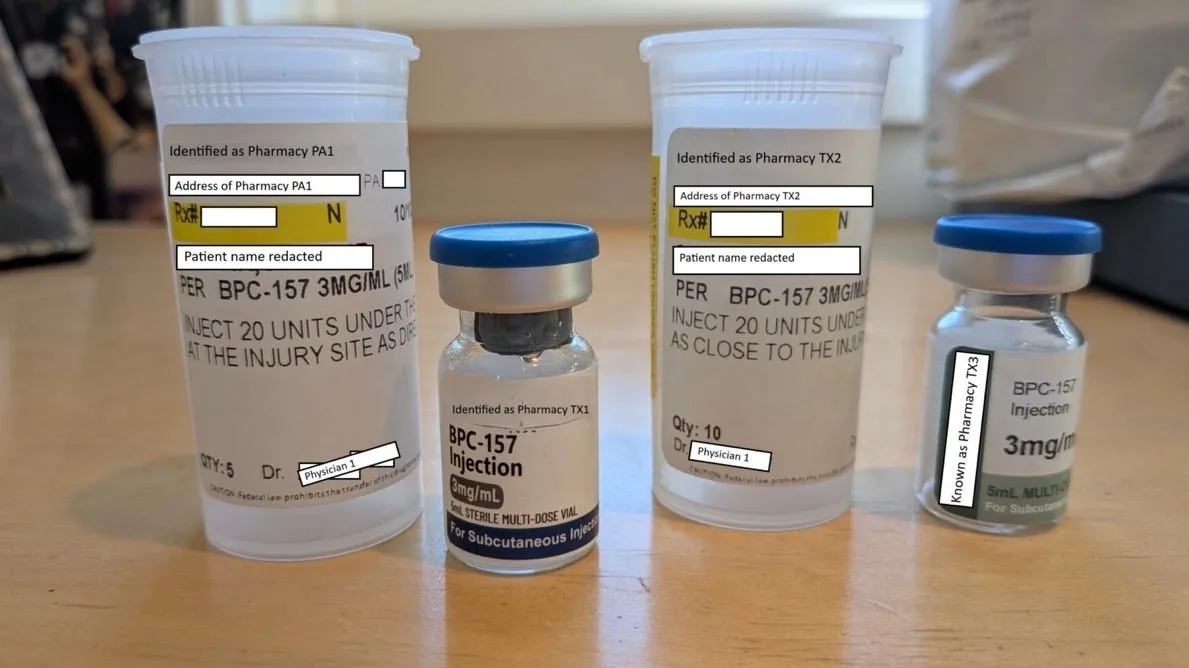
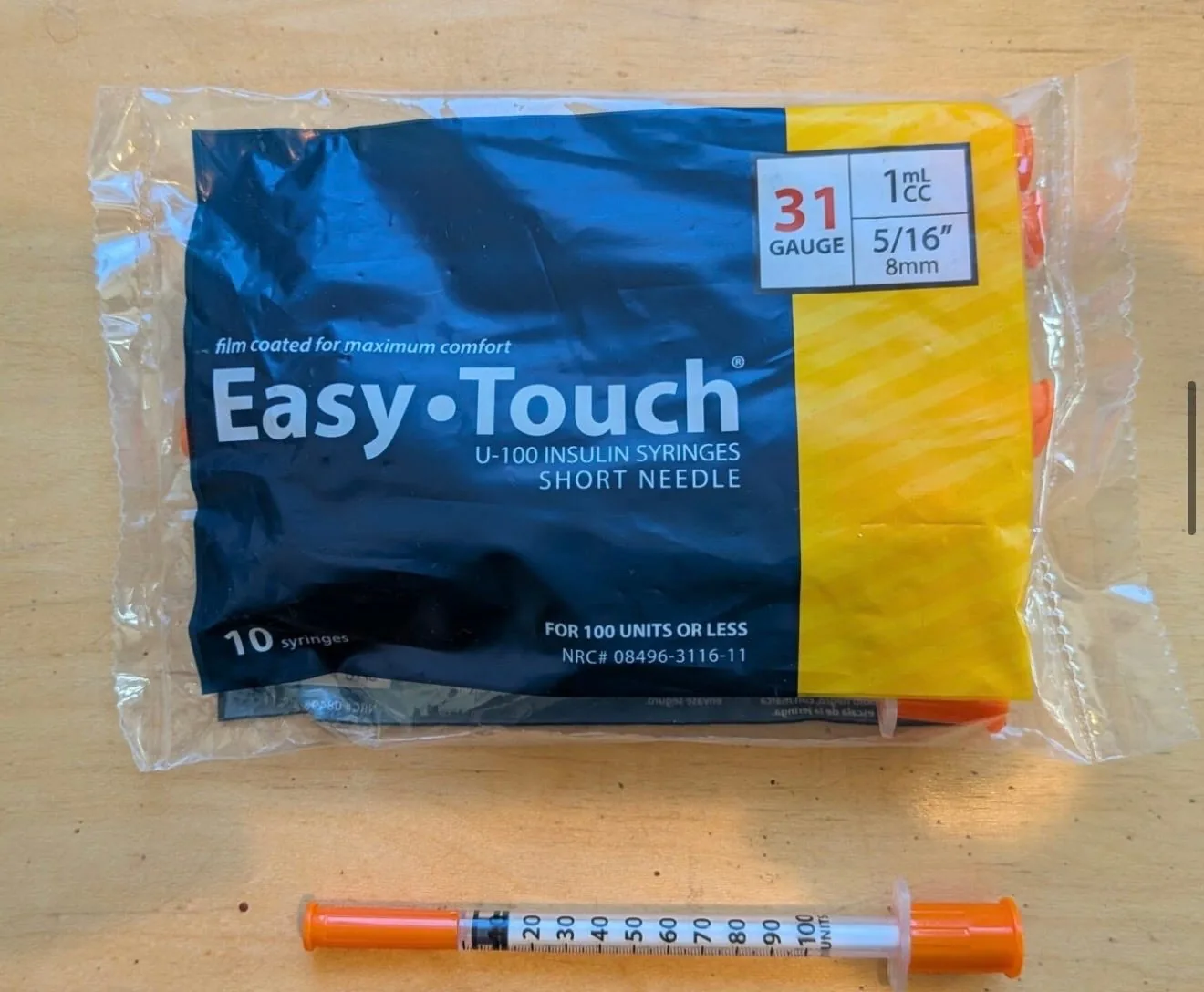
These were products PSM says it obtained through licensed medical channels for human administration, rather than ordinary RUO purchases. And not all the substances purchased were among the seven peptides being considered for expanded access.
Questions Over Pharmacy Licences
PSM says it couldn’t locate California licences for three of the four supplying pharmacies. The fourth reportedly held a California non-resident pharmacy licence, but PSM says it couldn’t identify the additional sterile-compounding authorisation required for the activities described. One Texas pharmacy was listed as having permission for non-sterile compounding, raising questions about its role in the supply of injectable preparations. However, the documentation associates that pharmacy with an outer prescription sleeve, rather than establishing that it manufactured the injection itself. PSM says it submitted complaints to pharmacy regulators and the FDA’s Office of Criminal Investigations. The organisation has obscured the pharmacies’ identities while those complaints are active.
These are PSM’s allegations, not confirmed FDA enforcement findings. An unsuccessful licence search doesn’t necessarily establish that the required authorisation was absent. The investigation also didn’t publish independent laboratory results demonstrating that the purchased products were contaminated, incorrectly dosed or missing their declared ingredients. The central allegation concerns whether the products could legally be compounded and supplied, rather than whether laboratory testing found them defective.
Who Is the Partnership for Safe Medicines?
PSM is an established US advocacy coalition focused on counterfeit, illegally supplied and substandard medicines. It has documented historical connections to the pharmaceutical industry, including membership by the Pharmaceutical Research and Manufacturers of America (PhRMA) and past overlapping leadership. Its coalition has also included pharmacy organisations.
Those relationships are relevant when examining its opposition to expanded peptide compounding, although they don’t establish who financed or directed this particular petition. PSM has opposed broader peptide compounding for some time. Its October filing continues a position it expressed before and after the July advisory committee meeting. The petition places its objections formally before the FDA, but it doesn’t give PSM authority to block the proposed policy.
Meanwhile, Three Organisations Are Meeting White House Reviewers
The FDA submitted its proposed Interim Access Policy for Compounding Using Certain Peptides for White House review on 14 October. The official regulatory record identifies the proposal as RIN 0910-ZD94. Three meetings have been listed in connection with the review:
21 October: American Academy of Peptide Medicine, listed requestor Lee Rosebush.
23 October: Hims & Hers Health, listed requestor Sonya Elling.
27 October: Alliance for Pharmacy Compounding, listed requestor Scott Brunner.
The American Academy of Peptide Medicine (AAPM) supports expanded access to certain peptides through licensed compounding pharmacies with medical oversight. Its chairman, Lee Rosebush, also chairs the Outsourcing Facilities Association, which represents pharmaceutical outsourcing facilities. Empower Pharmacy has previously published an advocacy discussion featuring Rosebush alongside its founder and CEO. Expanded pharmacy access could create commercial opportunities for participating pharmacies and related businesses, alongside the potential patient benefits.
Hims & Hers, meanwhile, is a major telehealth provider that has expressed interest in offering peptide treatments if permitted under the proposed rules.
The Alliance for Pharmacy Compounding represents the interests of compounding pharmacies and has a direct interest in how the FDA defines the proposed pathway.
All three have a reason to follow the changes closely, although we don’t yet know exactly what each is asking for in these meetings.
What Is Actually Being Decided?
The question is whether certain currently restricted peptides could become available through a conditional pharmacy-compounding pathway, and under what circumstances. The proposed interim policy could involve FDA enforcement discretion, allowing certain compounding activities to proceed under specified conditions while formal regulatory decisions remain pending. That’s different from formally making a substance eligible for compounding or approving it as a medicine.
PSM argues that expanded access would expose patients to inadequately studied substances while existing restrictions are already being ignored by some licensed pharmacies. Those supporting broader access argue that a regulated pharmacy system could offer additional manufacturing oversight, testing and medical supervision.
New Development, 22 October
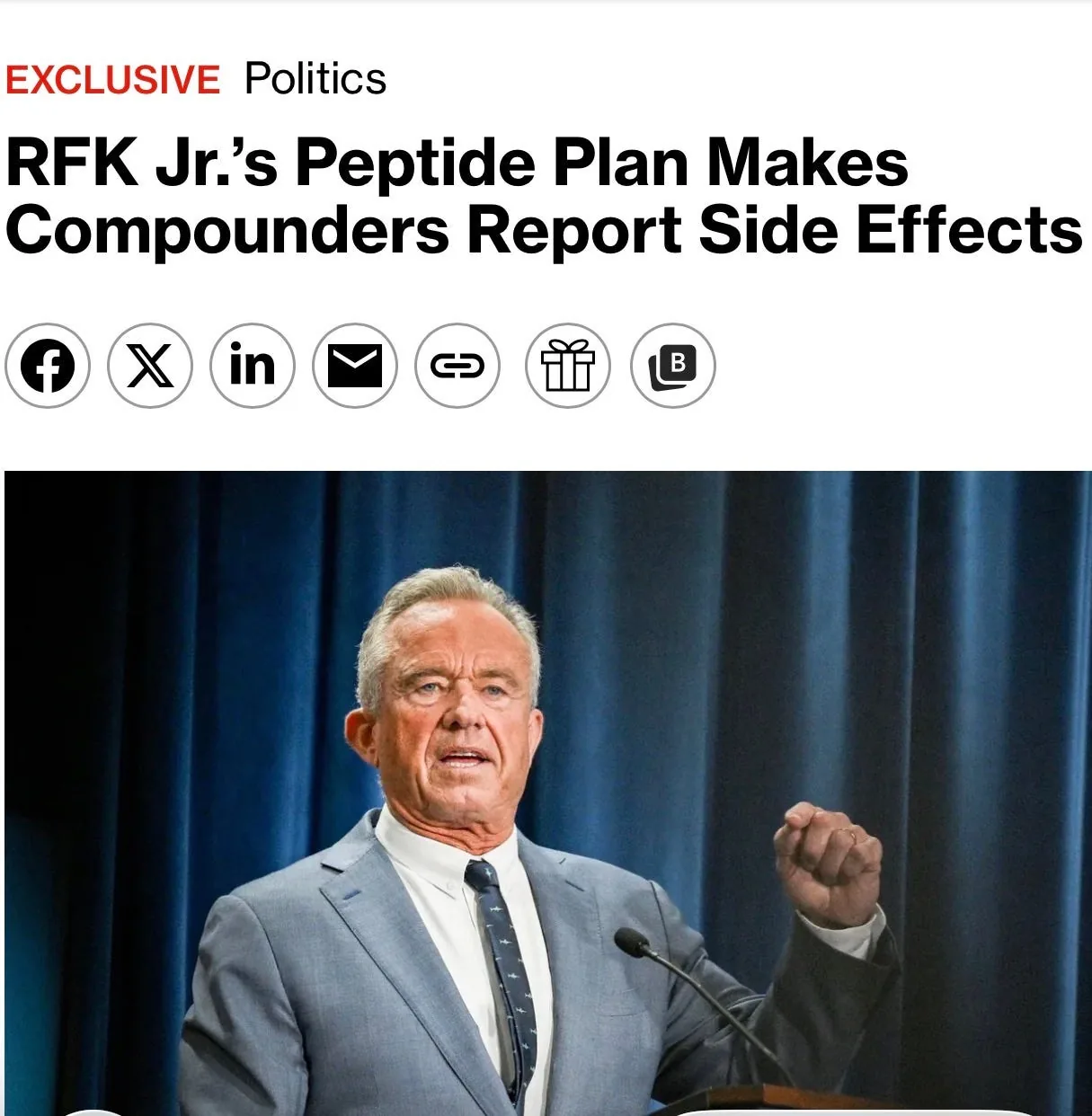
Bloomberg reported on 22 October that the proposed interim policy would require compounders to report side effects, citing people familiar with the plan. This could provide additional safety monitoring if access to certain peptides expands. However, the requirement hasn’t yet been confirmed in a publicly released policy, and the details remain unknown.
Adverse-event reporting could improve oversight, but it wouldn’t establish that the peptides themselves are safe or effective.
The full policy remains unpublished, so it’s still unclear which substances would be covered, which pharmacies would qualify and what testing or manufacturing requirements would apply.
What Does This Mean for the Grey Market?
The proposed policy could create another route to certain peptides through licensed pharmacies, but it wouldn’t necessarily replace the existing research-peptide market. Some grey-market customers already commission independent laboratory testing, compare COAs and purchase directly from suppliers. However, independent testing doesn’t guarantee that every vial is safe, and identity or purity testing alone can’t establish sterility.
Any pharmacy-based alternative would face practical questions about affordability, product availability and confidence in its quality controls. There is also the question raised by PSM’s investigation. If licensed pharmacies are already accused of supplying products outside the existing rules, what additional safeguards would make an expanded system genuinely safer?
A pharmacy licence provides regulatory oversight, but it doesn’t eliminate the possibility of non-compliance. Equally, allegations against individual pharmacies don’t establish that licensed compounding as a whole is unsafe.
What Happens Next?
The White House review is continuing, with Hims & Hers scheduled to meet officials on 23 October and the Alliance for Pharmacy Compounding on 27 October. PSM’s petition is now part of the FDA’s regulatory discussion, alongside the advisory committee’s recommendations and the positions of other interested organisations.
No final peptide-access policy has been announced.
The competing positions illustrate the challenge of responding to demand for experimental peptides while addressing unresolved questions about clinical evidence, manufacturing standards and regulatory enforcement.
PSM wants the FDA to maintain restrictions. Others are advocating for expanded access under pharmacy oversight. The question now is whether the FDA can create a system that improves accountability without simply moving the existing market into a more expensive channel. And with both patient-safety organisations and commercially interested businesses seeking to influence the outcome, the details of the eventual policy will matter far more than the promises being made ahead of it.

Comments