
Recent attention has focused heavily on the risks associated with grey-market peptides and Chinese pharmaceutical manufacturers. But a series of US compounding pharmacy recalls provides another reminder that injectable-product safety concerns extend beyond unregulated suppliers.
On 24 September 2026, Apothecary Pharma LLC, a compounding pharmacy based in Cary, North Carolina, initiated a nationwide recall of compounded tirzepatide injections because sterility couldn’t be assured.
Separately, several US compounding pharmacies have recalled injectable glutathione products following reports of elevated endotoxin levels and adverse reactions. The glutathione investigation is particularly concerning because it includes documented reports of serious illness and hospital admissions. FDA has also identified a common ingredient supplier connected to adverse events reported by multiple pharmacies.
These are different incidents with different findings, but both raise important questions about ingredient sourcing, sterile manufacturing and quality control.
Apothecary Pharma: Tirzepatide Recall
On 24 September 2026, Apothecary Pharma initiated a nationwide recall of 22 vials of compounded tirzepatide (18 mg/mL, 4 mL multidose vials). FDA subsequently classified the recall as Class II, citing a lack of assurance of sterility rather than confirmed contamination. The pharmacy had already received an FDA warning letter in December 2025, identifying problems with sterile manufacturing, cleaning and quality-control procedures.
The earlier findings raise concerns about the pharmacy’s manufacturing oversight, although a direct connection to the September recall hasn’t been established.
Glutathione: Multiple Recalls and Patient Illnesses
Several US compounding pharmacies have also recalled injectable glutathione products following endotoxin concerns and adverse-event reports.
Victory Medical Center Pharmacy, 5 August: Recalled compounded glutathione injections over endotoxin concerns.
Optimal Balance Pharmacy, 19 August: Reported elevated endotoxins and reactions including fever, chills, headaches, nausea and vomiting.
Centric Compounding, September: Recalled six lots of glutathione-containing injections, including Myer’s Cocktail and Tri-Immune Boost, reporting nine adverse events.
Greenwich RX, 1 October: Recalled glutathione over potentially elevated endotoxins. Two patients required emergency-department care after a preparation intended for subcutaneous injection was administered intravenously. The cause of those reactions wasn’t established.
Unlike the tirzepatide recall, the wider glutathione investigation includes documented serious illnesses and hospitalisations. An important finding is that FDA traced ingredient material associated with multiple adverse-event reports to the same Medisca glutathione lot, raising questions about supplier verification and ingredient suitability.
The full extent of the problem is detailed below.
More Than 25 Illnesses Across Four States
In September 2026, the CDC reported more than 25 illnesses across Texas, Washington, Florida and New York linked to injectable glutathione. At least three patients were hospitalised, including one who required intensive care for shock and abnormal blood clotting.
FDA separately reported adverse events involving at least 30 patients in its 27 August update. The FDA and CDC figures may include some of the same patients. Both investigations identified concerns about elevated endotoxin levels in compounded glutathione injections.
Sources:
CDC, September 2026 investigation
The Medisca Connection: One Ingredient Lot, Multiple Pharmacies
One of the most important findings concerns the origin of the glutathione ingredient. In its 27 August update, FDA stated that the different compounding pharmacies associated with the adverse-event reports described in that alert had all obtained their glutathione from Medisca Inc., a pharmaceutical ingredient supplier with US headquarters in Plattsburgh, New York. The ingredient was identified as lot 229536.
Crucially, FDA said the material was labelled dietary supplement grade, which is inappropriate for manufacturing injectable drugs. That’s an important distinction because an ingredient suitable for oral supplementation isn’t automatically suitable for injection.
Injectable medicines bypass many of the body’s normal protective barriers. Ingredients therefore need to meet appropriate quality requirements for their intended route of administration, including controls for microbial contamination and endotoxins. According to FDA, Medisca informed the agency on 20 August that it had warned its US customers not to use the dietary-supplement-grade glutathione in injectable preparations. FDA subsequently urged compounding pharmacies that had received the material to contact their customers and advise discontinuation of affected intravenous products.
The significant finding is that multiple pharmacies connected to FDA’s August adverse-event reports had obtained the same ingredient lot from one supplier.
That establishes a documented supply-chain connection, rather than simply a series of unrelated pharmacy incidents. However, it doesn’t establish that every later glutathione recall involved Medisca lot 229536 or that this lot caused every reported illness.
The Problem May Begin Before Compounding
When injectable products fail testing or patients report adverse reactions, attention often focuses on the pharmacy that prepared and dispensed the medication. But the Medisca findings illustrate why ingredient sourcing matters just as much.
A compounding pharmacy relies on its suppliers to provide properly identified material accompanied by appropriate quality documentation. The pharmacy also has responsibility for establishing that its ingredients are suitable for the intended preparation and that its own compounding procedures meet applicable standards. A manufacturer’s COA, supplier registration or pharmaceutical label doen’t eliminate those responsibilities.
The same basic principles apply throughout the peptide industry: material identity, purity, appropriate microbial and endotoxin controls, preparation standards and batch traceability all play different roles.
The FDA’s concern in the glutathione investigation was particularly specific. Material labelled for dietary supplement use had entered the preparation of injectable medicines. That isn’t simply a paperwork issue. The quality requirements for something intended to be swallowed and something intended to enter the bloodstream are different.
Compounding Pharmacies and the Grey Market
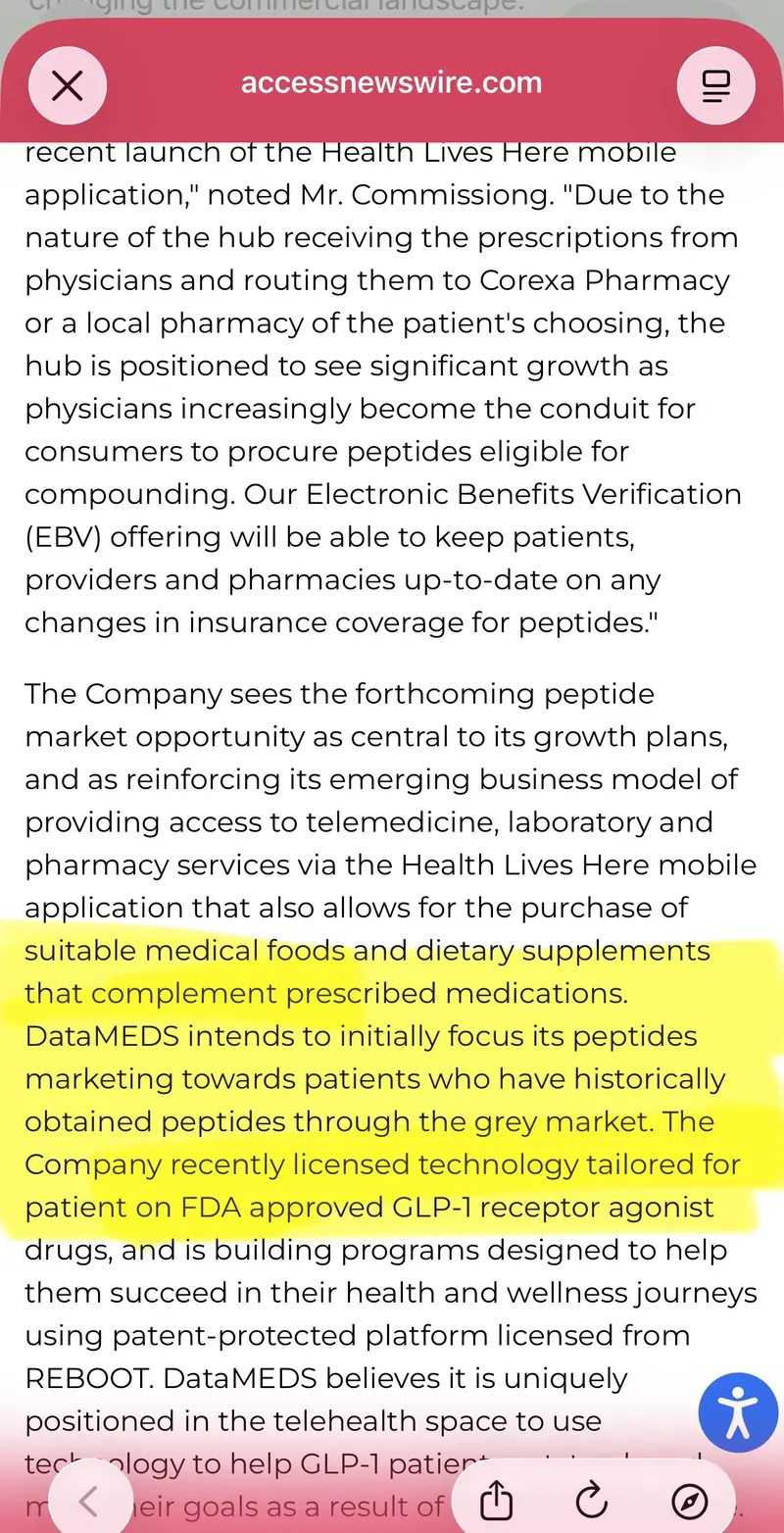
These incidents are particularly relevant as the US considers expanding access to pharmacy-compounded peptides as an alternative to the grey market.
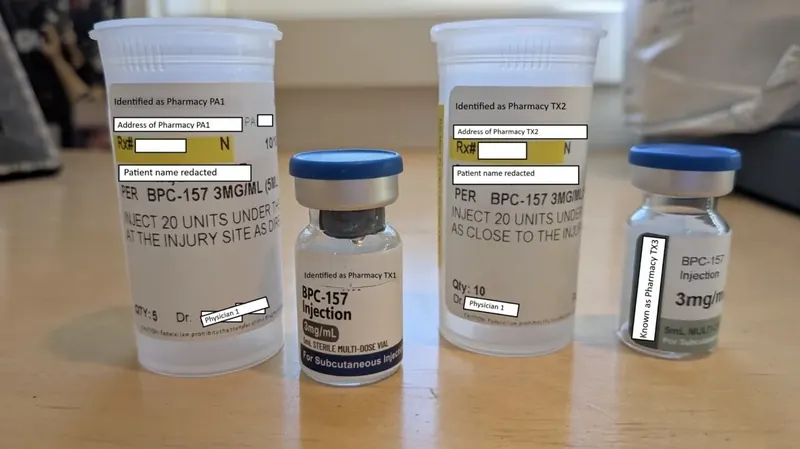
Licensed compounding pharmacies operate under regulatory requirements and provide access to prescriptions and professional oversight. Those are important safeguards, but the recent recalls demonstrate that quality-control failures can still occur.
A pharmacy licence doesn’t guarantee that every batch meets its specifications, just as an RUO vendor’s laboratory certificate doesn’t guarantee the quality of every vial sold.
There’s also a difference between manufacturing a peptide correctly and establishing that it’s safe and effective for its intended medical use. The latter requires clinical evidence.
The FDA investigations demonstrate that regulated compounding is not immune to manufacturing and supply-chain failures. They don’t establish that pharmacy-compounded products and unregulated grey-market peptides carry equivalent risks.
What Does This Tell Us?
The two investigations highlight different problems.
Apothecary Pharma recalled compounded tirzepatide because sterility couldn’t be assured. The glutathione investigation involved serious patient reactions, hospitalisations, elevated endotoxin concerns and an FDA-identified link to dietary-supplement-grade ingredients.
As the US considers expanding access to compounded peptides, these findings are a reminder that regulatory oversight must be backed by effective manufacturing controls and reliable testing.
A prescription label alone cannot guarantee the quality of what’s inside the vial. The safeguards behind it are what matter.
Sources
FDA, Dietary-supplement-grade glutathione investigation, 27 August 2026
CDC, Glutathione illnesses and hospitalisations, September 2026
Fox Business, Apothecary Pharma tirzepatide recall, 20 October 2026
Reporting cutoff: 21 October 2026. Recall figures and reported adverse events reflect the dates of the original agency and pharmacy announcements.
Comments