
Part 1 covered Uzorak’s core framework: LC-MS/MS, impurity identification and quantification, structural fingerprinting, scoring, thresholds, and why they believe “99% UV purity” is a low bar in an unregulated market.
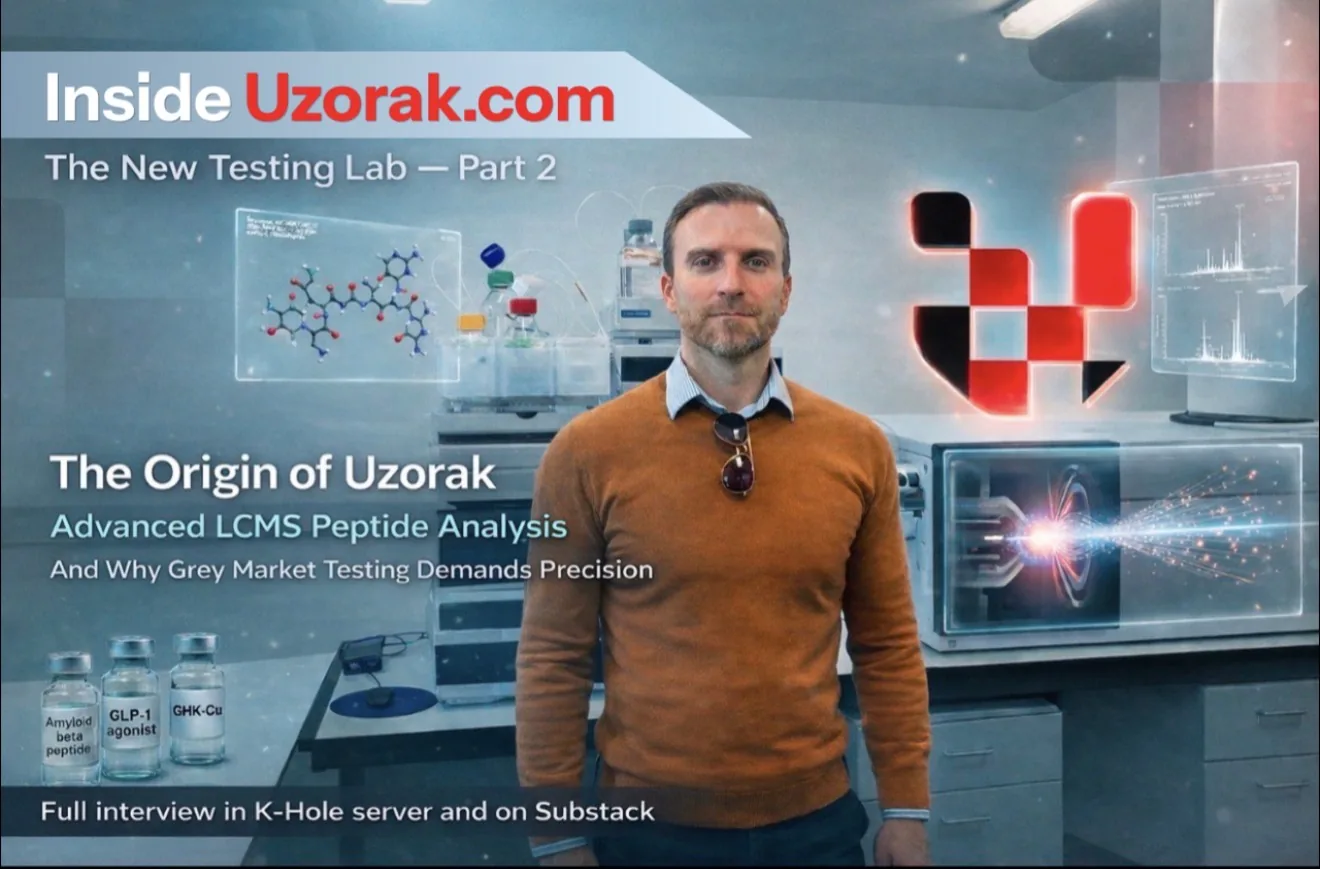
Part 2 expands on the underlying context behind Uzorak’s framework: Alex’s origin story, how the initial offer was structured, what he believes is missing from current testing norms, how their pricing compares, and a set of technical clarifications, including the frequently misunderstood question of “3D folding
Alex’s Background and the Origin of Uzorak
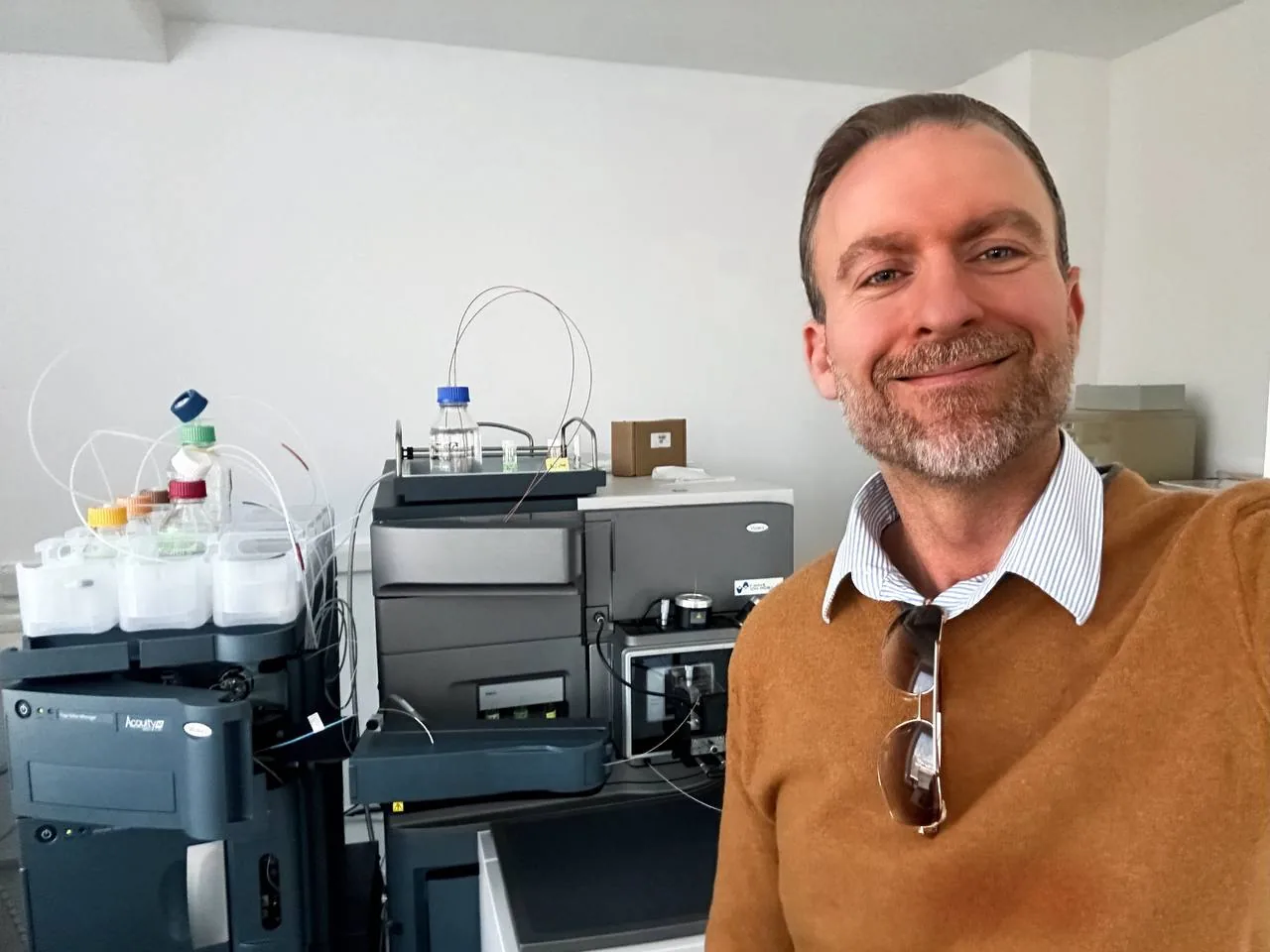
Alex introduces himself as the co-founder of Uzorak.com, a peptide testing lab in Croatia. He says his last 12 years were in health-tech, including a DNA testing analytics company he co-founded that was acquired.
He also describes entering peptides as a user, with a focus on energy/mitochondrial support and compounds such as SS-31 and MOTS-c, and says he more recently researched with retatrutide over a six month span.
He describes having access to experts with decades of peptide testing experience for large pharmaceutical companies, and says that exposure highlighted fundamental differences between pharmaceutical peptides and what is present in the research only space.
He frames the need to bring testing closer to pharma standards around three points
1.Third-party testing standards should be higher (not lower) in an environment where manufacturers are not subject to strict oversight and regulation.
2.Some potentially helpful compounds might not ever receive approval or thorough clinical trials if they are not patentable/economically viable for large pharma.
3.People are taking these peptides one way or another, “the numbers make it clear,” and individual authority over health is happening.
He says Uzorak was formed as a consumer-facing peptide testing service to bring higher standards into the RUO/grey market and to provide users with comprehensive insight into what’s actually in their vials and what those insights mean.
He also notes the naming: “Uzorak = sample” (Croatian), and “Uzor” described as “ideal, something you look up to.”
Location: In-House Work in Zagreb
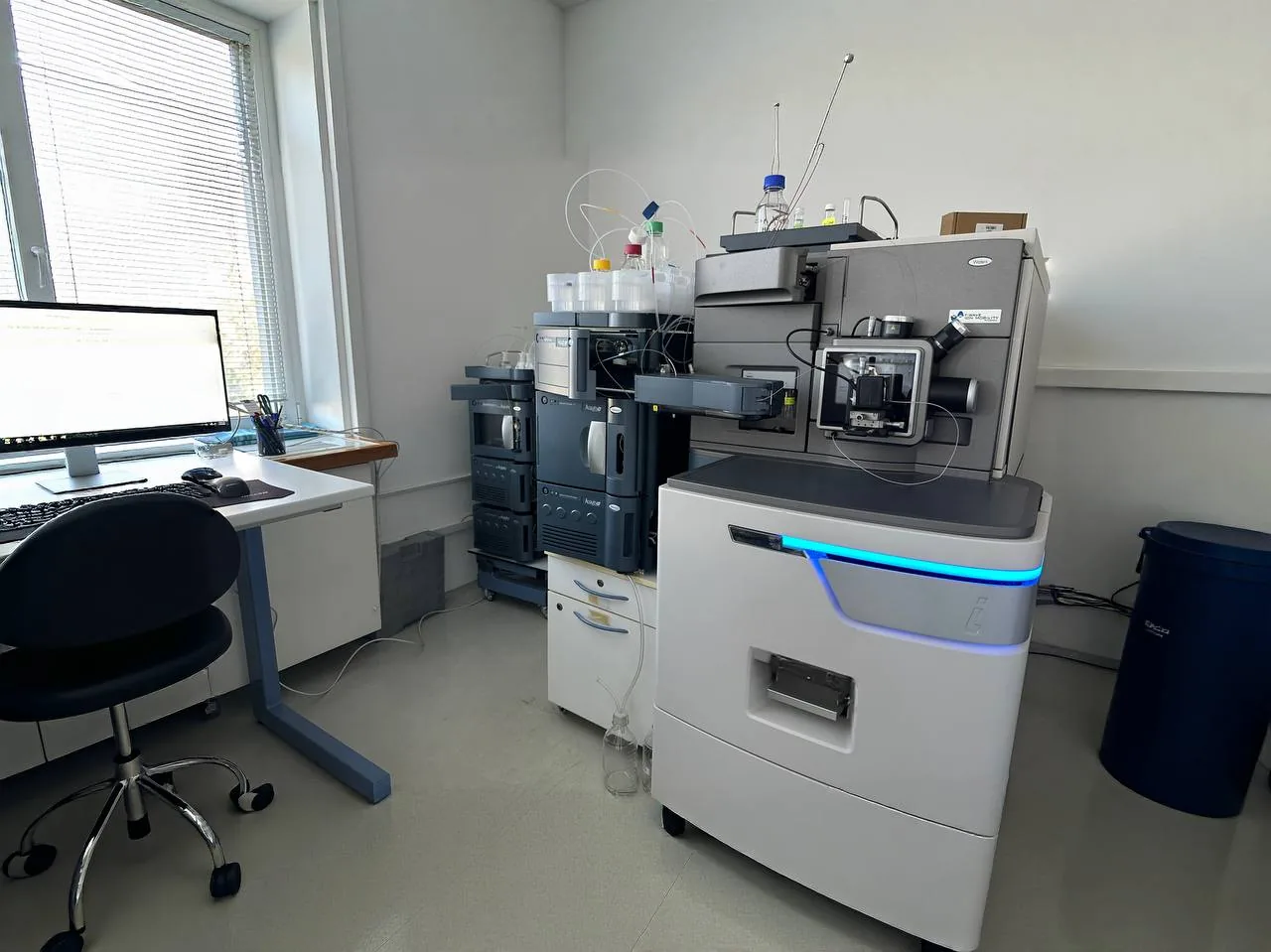
His report shows testing in Zagreb, Croatia. When asked whether work is performed in-house or outsourced, Uzorak states their lab is in Zagreb (EU) and that the work is performed there in-house.
Who They Expect to Use the Lab
When asked who their main customers are, Alex says manufacturers, vendors, test groups, and individuals are all free to test with them.
He also states they operate globally and that he believes most US peptide users are already familiar with sending testing samples to Europe.
What He Thinks Grey-Market Testing Should Look Like
In the interview, Alex lays out what he would like grey-market manufacturers and vendors to provide as “thorough and comprehensive” results:
Impurities identity and quantity
Always check for contamination
Actual purity, not just UV readings
He then makes one of the strongest statements in the interview about why standard Mass/Purity is a low bar in unregulated manufacturing:
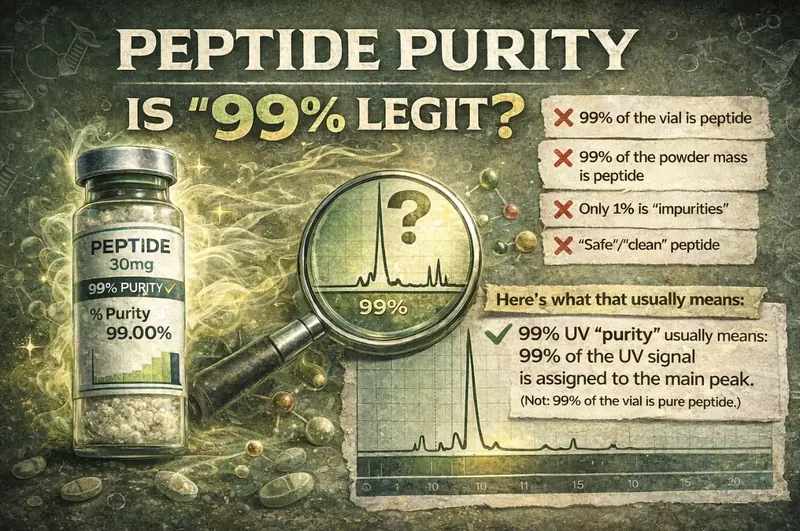
Standard Mass/Purity is a very low bar… since a 99.9% UV-Purity peptide could actually be 80% pure, highly degraded in synthesis already and full of dangerous process residue and contaminants (and still show as 99.9% under UV).
That claim is not subtle. It’s central to how he justifies a more comprehensive default package.
How They Built the Initial Offer
When asked about differentiation, Alex said it’s important to distinguish what they are able to perform versus what they are currently offering.
He gave an example: I asked whether they could perform AAA testing; he said they are proficient at it, but it was not included in the initial offer.
He then explains how they structured the initial offer:
First, they looked at what is “out there” to determine average testing standards on the market (vendors, test-groups, general public).
Then they looked for the highest leverage “lever to pull” to increase the standard toward customer safety and pharma standards.
He says the lever was breaking down, identifying and quantifying impurities and contaminants, “the bad stuff, and the not so bad stuff that can be bad at high levels.”
He also says that whether other labs can replicate their tests is a question for those labs, noting he has not seen similar capability reflected in publicly shared reports, and that they welcome comparisons.
Pricing: The Menu Comparison
Alex makes a direct pricing comparison to how other labs’ menu-style services add up.
He states that a regular Mass/Purity test plus a basic LCMS screen/identity confirmation plus TFA detection plus fentanyl detection is already around $800 to 900.
He then claims Uzorak provides that plus additional work, including quantifying hidden degradation/process impurities, checking a list of contaminants, AA sequence, and MS tandem fingerprinting, at around $580.
He also adds: they now allow Standard Mass/Purity as a separate offering.
What “Advanced LCMS Peptide Analysis” Includes, and What It Doesn’t
When asked what is included by default and what is explicitly not included, Alex states that everything he described in the previous pricing/value answer is included.
He also notes that the report will include more spectra when there are more impurities present, if only mono-oxidation is detected, the impurity spectra section may be short; if there are many impurities, the report will be longer.
He explicitly states endotoxin, sterility, and heavy metals are not included by default at the moment, though he says they intend to activate an 18 heavy metal screen aligned with FDA/EMA ICH Q3D soon.
Pricing Approach and Discounts
On whether pricing varies by peptide
For HPLC-UV, he says they rely on community standard pricing with good discounts for initial customers.
For LCMS analysis, he says they set a flat price and are actively offering free testing to large test groups for comparison, plus discounts for initial customers.
How He Explains UV Purity to Newcomers
In the interview, Alex makes a point that purity claims are only “true” under the performed method.
He uses a simple example:
“If something is 99% pure, then it cannot have 5% impurities, right?
wrong.”
He describes this as:
“Welcome to the world of ‘scientifically valid claims under the performed method.’”
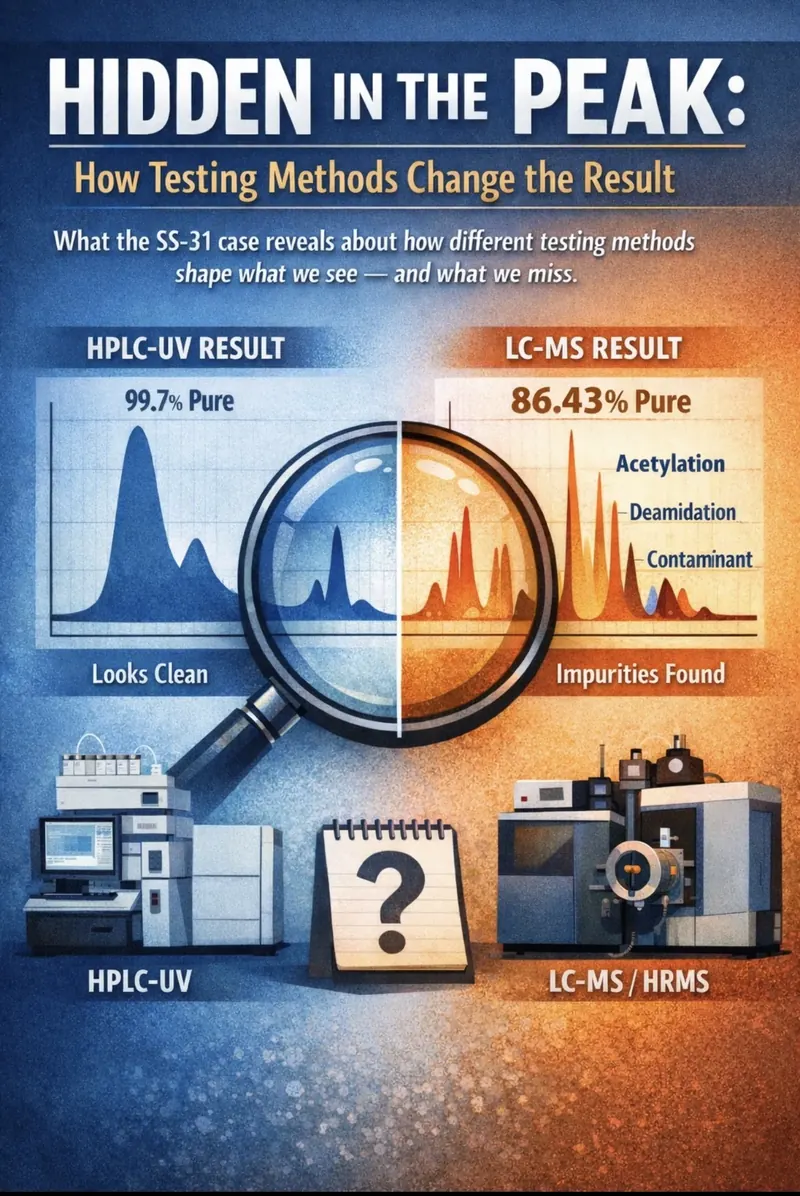
His conclusion is that MS can see what UV can’t, quantify it, and produce a more comprehensive interpretation of purity.
How They Classify Impurities (Oxidation vs Cleavage vs Residues)
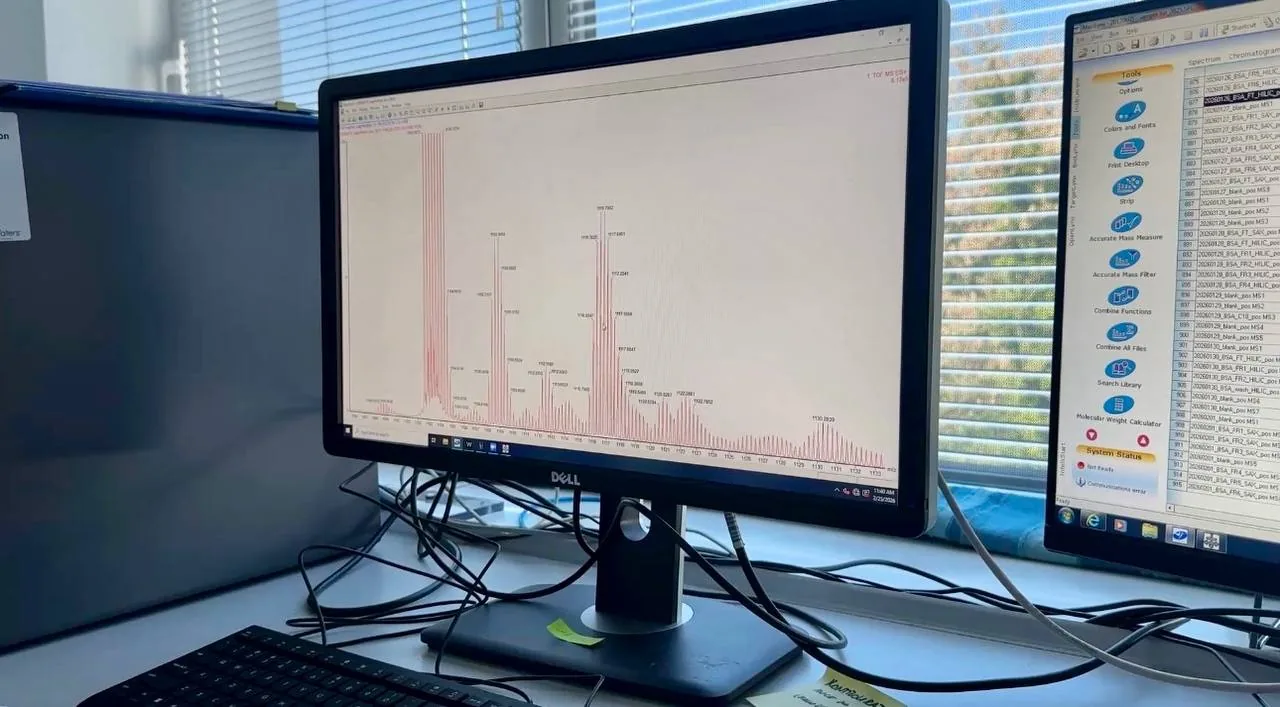
When asked how they classify oxidation vs cleavage vs synthesis residues, he references mass differences and says high-resolution MS allows accurate measurement of product, impurity, byproduct, or adduct with high precision.
In the interview, he gives examples including oxidation mass increments and examples for cleavage/byproducts, and references TFA as a measurable species by mass.
The underlying point: classification is based on identifiable mass shifts and what those shifts correspond to.
When UV Looks Fine But MS Doesn’t
When asked whether UV can look good while MS shows meaningful variants, he says it can imply improper storage/heat/handling, but not necessarily.
He adds peptides can be heavily degraded simply as a consequence of sloppy manufacturing.
He also notes they’ve seen internal examples during due diligence work, but that they think it’s best to build proper use cases as they come up with actual clients.
“Structure” vs 3D Protein Folding (Interferon / Filgrastim / Erythropoietin)
One of the most important clarifications in the interview;
Alex states that 3D protein folding is not included in their measurements for these peptides. For most GLP peptides, he says folding effects are negligible and remain largely theoretical.
He then distinguishes this from larger biologics, where folding becomes relevant, and names examples such as Interferon, Filgrastim, and Erythropoietin.
He describes their three layer verification as:
Mass match: whether the analyzed peptide is the specified peptide with high precision
Sequence (MS/MS): whether every amino acid is in the correct position and order
Tandem MS fingerprint: whether there is structural damage compared to the standard peptide
This is a key clarification because “structure” in this report context does not mean “full biologic folding validation.”
Red Warnings and Risk Language
In the interview, Alex also states that red warnings indicate higher probability of negative effects that could result not only in unknown peptide function but also in documented consequences such as organ damage, metabolic dysfunction, and even permanent hormonal issues.
This is strong language, and it’s exactly where analytical findings and implied physiology need to be handled carefully in how readers interpret them.
Closing
Part 1 covered the analytical framework.
Part 2 adds the context behind it: why Uzorak was built, what Alex claims the market is missing, how they designed the initial offer, what they say the package includes and excludes, and the technical clarifications that prevent people over interpreting what testing can prove.
They are offering for a limited time only, 50% off for reta / tirz / sema (so 290$) for the advanced report. promo code WELCOME50
www.uzorak.com
in case you’ve missed part 1 link below
Raising the Bar or Raising Expectations? Inside UZORAK testing lab (Part 1)
Comments